Food comparisons often look simple on the surface, but pita bread and naan carry centuries of culinary history, regional identity, and cooking tradition behind them. Both are flatbreads, both are widely loved, and both show up in global cuisine far beyond their origins. Yet when you place them side by side, the differences become clear in ingredients, texture, preparation, and even how they pair with meals.
Pita bread is deeply rooted in Middle Eastern and Mediterranean food culture, commonly linked with countries like Lebanon, Greece, and Turkey. Naan, on the other hand, belongs to South Asian culinary tradition, especially Indian, Pakistani, and Persian-influenced cuisines. Despite their shared category as flatbreads, they behave very differently on the plate.
This guide breaks down pita bread vs naan in a practical, research-driven way so you can understand not just what they are, but when and why each one works best.
What Is Pita Bread?
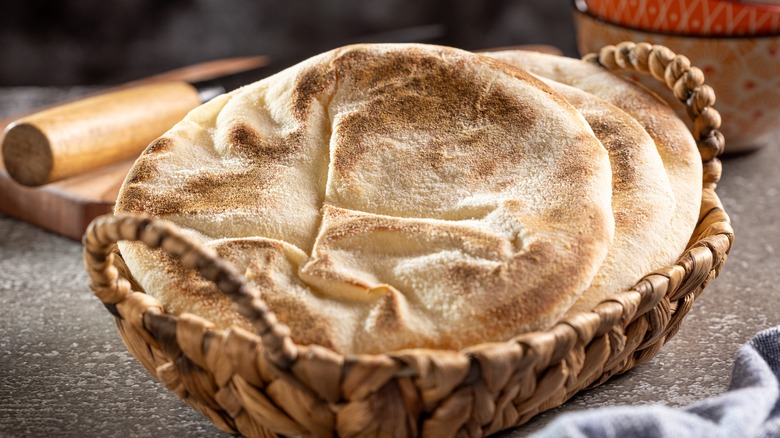
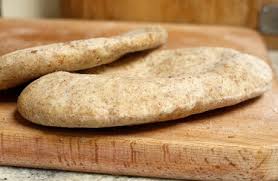
Pita bread is a soft, round flatbread traditionally made from wheat flour, water, yeast, and salt. It is known for its unique “pocket,” created when the dough puffs up during baking at high heat. Once cooled, the bread naturally collapses, leaving an internal space that can be filled with meats, vegetables, or spreads.
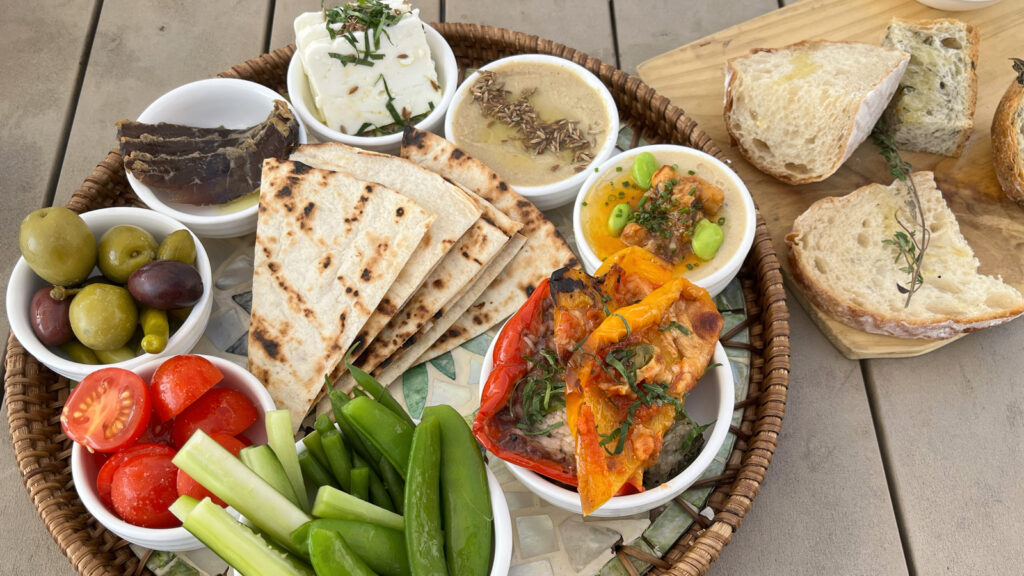
Historically, pita is associated with Middle Eastern cuisines, including Lebanese, Syrian, and Greek food cultures. It is commonly used for wraps like shawarma, falafel sandwiches, and mezze platters.
From a food science perspective, pita relies on steam expansion inside the dough. The high oven temperature causes moisture to rapidly turn into steam, inflating the bread and separating layers.
Key characteristics of pita bread:
- Neutral flavor profile
- Light and chewy texture
- Hollow pocket structure
- Best served warm or fresh
- Common in Mediterranean diets
Brands like Joseph’s Bakery and Middle Eastern bakeries globally popularized packaged pita bread for international markets, making it widely accessible today.
What Is Naan?
Naan is a leavened flatbread traditionally cooked in a tandoor, a cylindrical clay oven used in South Asian cooking. It is made from refined wheat flour, yogurt, milk, yeast, and sometimes eggs or ghee, which gives it a richer and softer texture compared to pita.
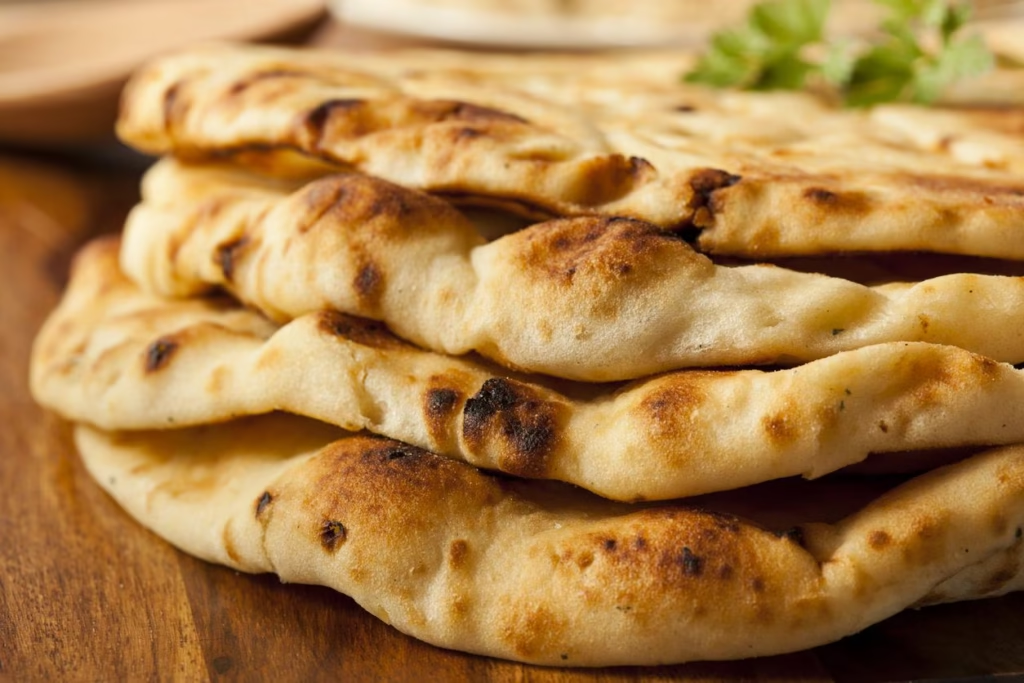
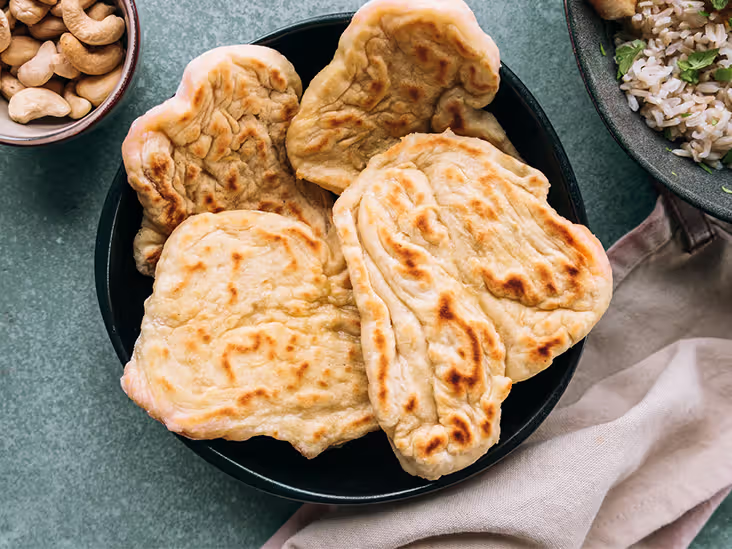
Unlike pita, naan does not form a pocket. Instead, it develops a slightly thick, fluffy structure with blistered spots from the intense heat of the tandoor. This cooking method is central to its identity in Indian, Pakistani, and Afghan cuisines.
Naan is commonly served with dishes such as:
- Butter chicken
- Dal makhani
- Paneer tikka masala
- Kebabs and curries
In modern food culture, naan has been adapted globally by restaurants like Dishoom (UK) and Indian food brands such as Tandoor Chef (Deep Indian Kitchen) in frozen meal markets.
Its signature richness comes from dairy ingredients and often brushed butter or garlic-infused ghee after cooking.
Pita Bread vs Naan: Key Differences Explained
Although both are flatbreads, the differences between pita and naan come from ingredients, cooking methods, and cultural roles in meals.
1. Ingredients and Dough Composition
Pita dough is simple, usually made with:
- Flour
- Water
- Yeast
- Salt
Naan dough is richer:
- Flour
- Yogurt
- Milk
- Yeast or baking powder
- Butter or ghee
The addition of dairy in naan creates softness and flavor complexity.
2. Cooking Method
Pita:
- Baked in very hot ovens or commercial deck ovens
- Uses steam expansion for pocket formation
- Short baking time
Naan:
- Traditionally cooked in a tandoor
- Can also be made in skillet or oven
- Requires direct high heat for blistering
The cooking environment is one of the biggest reasons these breads taste so different.
3. Texture and Structure
Pita:
- Light, chewy, and slightly dry
- Hollow interior pocket
- Flexible when warm
Naan:
- Soft, fluffy, and slightly chewy
- No pocket structure
- Rich and buttery mouthfeel
4. Taste Profile
Pita is neutral and acts as a carrier for fillings. Naan has a richer flavor due to yogurt, milk, and butter.
5. Nutrition Comparison
| Nutritional Aspect | Pita Bread | Naan |
|---|---|---|
| Calories | Lower | Higher |
| Fat Content | Low | Moderate to high |
| Protein | Moderate | Moderate |
| Dairy Content | None | Present |
| Suitability for Diets | Lean diets | Indulgent meals |
Pita is often preferred in Mediterranean-style diets, while naan is considered more indulgent due to its fat and dairy content.
Cultural and Culinary Context
Pita bread is deeply connected to Middle Eastern food systems, often used in street food culture and home meals. It represents simplicity and versatility.
Naan carries a more ceremonial and restaurant-driven presence in South Asian cuisine. It is traditionally associated with communal meals, curries, and celebratory dining.
In global food markets, both breads have expanded beyond their origins. Fast-casual chains like Nando’s and Mediterranean restaurants use pita for wraps, while Indian restaurants worldwide serve naan as a staple side.
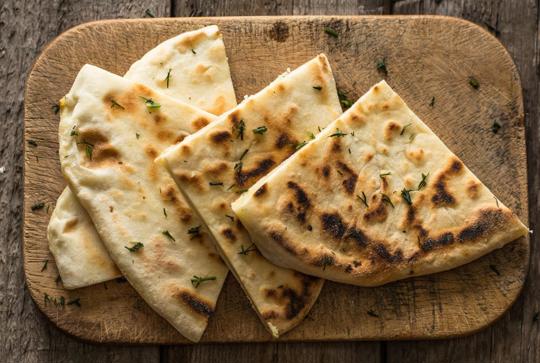
The cultural difference is not just about ingredients but how each bread is experienced during meals.
Which One Is Healthier?
Health depends on dietary goals.
Pita bread is generally considered healthier due to:
- Lower fat content
- Fewer calories
- Simpler ingredients
Naan is richer and more calorie-dense because of:
- Butter or ghee
- Milk and yogurt
- Larger portion size in restaurants
For weight management or low-fat diets, pita is often preferred. For flavor-rich meals or comfort food, naan is more satisfying.
When to Use Pita vs Naan
Choosing between pita and naan depends on the dish you are preparing.
Use Pita Bread When:
- Making wraps or sandwiches
- Preparing healthy meal bowls
- Serving Mediterranean dips like hummus or baba ganoush
- Looking for a low-calorie bread option
Use Naan When:
- Eating Indian or Pakistani curries
- Serving grilled meats or kebabs
- Wanting a richer, indulgent side
- Replacing rice in heavy meals
Both breads serve different culinary roles, and choosing correctly improves the overall dining experience.
Practical Cooking Insight: Texture Control
One overlooked factor is how heat affects both breads.
- Pita requires rapid, dry heat to create the pocket
- Naan requires intense, moist heat or butter brushing for softness
Home cooks often struggle with naan because they skip yogurt or high heat, which leads to dry results. Similarly, pita fails to puff if the oven temperature is too low.
Understanding this helps replicate restaurant-quality results at home.
FAQ: Pita Bread vs Naan
Is pita bread the same as naan?
No. Pita is a Middle Eastern flatbread with a pocket, while naan is a South Asian leavened bread with a soft texture and no pocket.
Which is better for weight loss, pita or naan?
Pita bread is generally better for weight loss due to lower calories and fat content.
Can naan be used like pita?
Not effectively. Naan does not have a pocket, so it is better for scooping rather than stuffing.
Why does naan taste richer than pita?
Because naan contains dairy ingredients like yogurt, milk, and butter, which increase flavor and softness.
Is pita bread healthier than naan?
In most cases, yes. Pita has fewer calories and less fat compared to naan.
Can I make both at home?
Yes. Both can be made at home, but naan typically requires richer ingredients and higher heat for authentic texture.
