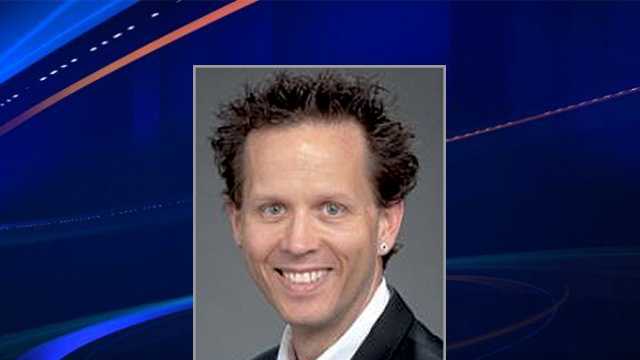
Eric Paul Engel has built a respected reputation in underground music circles through his intense performances, unconventional writing style, and decades of creative experimentation. Known primarily for his role in the American noise rock scene, he became recognized for combining chaotic stage energy with emotionally charged lyrics and spoken-word influences. Fans of experimental music often associate his name with bold artistic risks, cult bands, and a unique vocal presence that challenged traditional rock structures.
Over the years, Eric Paul Engel developed influence not only as a musician but also as a writer and poet. His work crossed multiple creative disciplines, helping him gain attention among listeners interested in post-hardcore music, avant-garde performance art, and underground literary culture. His projects introduced a style that mixed distortion, tension, storytelling, and abstract emotion into a form that felt unpredictable yet deeply personal.
Many people searching for Eric Paul Engel want to understand his background, his bands, his poetry collections, and the impact he had on experimental music communities. Others are curious about his artistic evolution and why his work continues to attract dedicated followers years after his earliest recordings. This article explores his career, musical identity, artistic contributions, major projects, and lasting influence on underground culture.

Who Is Eric Paul Engel?
Eric Paul Engel is an American musician, vocalist, writer, and poet associated with the noise rock and experimental music movement. He became widely known for his involvement in influential underground bands that emerged from the Providence, Rhode Island music scene during the late 1990s and early 2000s. His performance style quickly stood out because of its intensity, unusual vocal delivery, and emotionally volatile stage presence.
Unlike many traditional rock vocalists, Engel approached music with a theatrical and confrontational energy. Audiences often described his performances as unpredictable, physical, and emotionally overwhelming. This approach helped him gain recognition among fans looking for music outside mainstream alternative rock.
His work expanded beyond music into poetry and spoken-word art. Over time, he published multiple poetry collections and collaborated with independent publishers connected to underground artistic communities. His writing carried many of the same qualities present in his music: fragmented imagery, emotional tension, surrealism, and dark humor.
Eric Paul Engel’s name is commonly connected with several experimental bands that helped shape underground noise rock culture in America. His creative projects became important references within independent music discussions, especially among listeners interested in aggressive art-driven sound experimentation.

Early Life and Creative Influences
Eric Paul Engel was born in Providence, Rhode Island, a city that later became known for producing highly experimental music and art collectives. The environment surrounding Providence during the 1990s played a major role in shaping his creative identity. Independent venues, DIY culture, underground recording communities, and alternative performance spaces created opportunities for artists who preferred raw originality over commercial appeal.
Growing up in this atmosphere exposed Engel to post-hardcore music, punk culture, industrial sounds, and avant-garde artistic movements. Instead of following polished mainstream rock traditions, he leaned toward chaotic structures, emotional dissonance, and unconventional performance techniques.
Several artistic influences can be seen in his work:
- Noise rock experimentation
- Spoken-word poetry
- Post-punk aggression
- Performance art aesthetics
- Abstract literary writing
- DIY underground culture
These elements later became central to his bands and literary projects. His artistic direction reflected emotional honesty rather than commercial accessibility. This helped him connect strongly with underground audiences searching for authentic expression.
Providence itself became important in the rise of experimental American rock. The city developed a reputation for pushing creative boundaries, and Eric Paul Engel became one of the recognizable figures connected to that scene.
Rise Through the Noise Rock Scene
Eric Paul Engel gained broader underground attention through his work in the noise rock band Arab on Radar. The group became known for abrasive instrumentation, unconventional song structures, distorted sound textures, and highly physical live performances. Their music intentionally rejected mainstream accessibility and instead embraced tension, chaos, and discomfort.
The band’s performances quickly became legendary within underground circles. Audiences were often shocked by the intensity of the live shows. Engel’s stage behavior played a major role in that reputation. His vocal style blended screaming, spoken-word fragments, erratic pacing, and emotionally charged delivery that felt closer to performance art than traditional singing.
Arab on Radar became influential despite remaining outside commercial music success. Their recordings circulated heavily in underground communities and inspired future experimental bands exploring aggressive sonic textures.

Important aspects of the band’s identity included:
| Element | Description |
|---|---|
| Vocal Style | Chaotic, theatrical, emotionally unstable |
| Instrumentation | Distorted, abrasive, rhythmically unconventional |
| Stage Presence | Confrontational and highly energetic |
| Lyrics | Surreal, fragmented, abstract |
| Audience Appeal | Underground and experimental music fans |
The group eventually became associated with a broader wave of American noise rock revival during the late 1990s and early 2000s. Engel’s role within that movement helped establish his reputation as a fearless performer willing to push artistic boundaries.
The Chinese Stars and Musical Evolution
After Arab on Radar, Eric Paul Engel continued his artistic journey through another influential project called The Chinese Stars. This band explored slightly different musical territory while still maintaining experimental intensity. The project introduced more rhythmic structure and dance-oriented influences while preserving distorted textures and emotionally tense songwriting.
Many listeners viewed The Chinese Stars as an evolution rather than a complete stylistic shift. The music retained aggressive energy but included more groove-driven arrangements and unusual melodic experimentation. Engel’s vocal delivery remained distinctive, mixing spoken passages, anxious energy, and fragmented lyrical imagery.
The band earned respect within independent music publications and underground rock communities because of its originality. Fans appreciated how the project avoided repeating formulas while maintaining a recognizable identity.
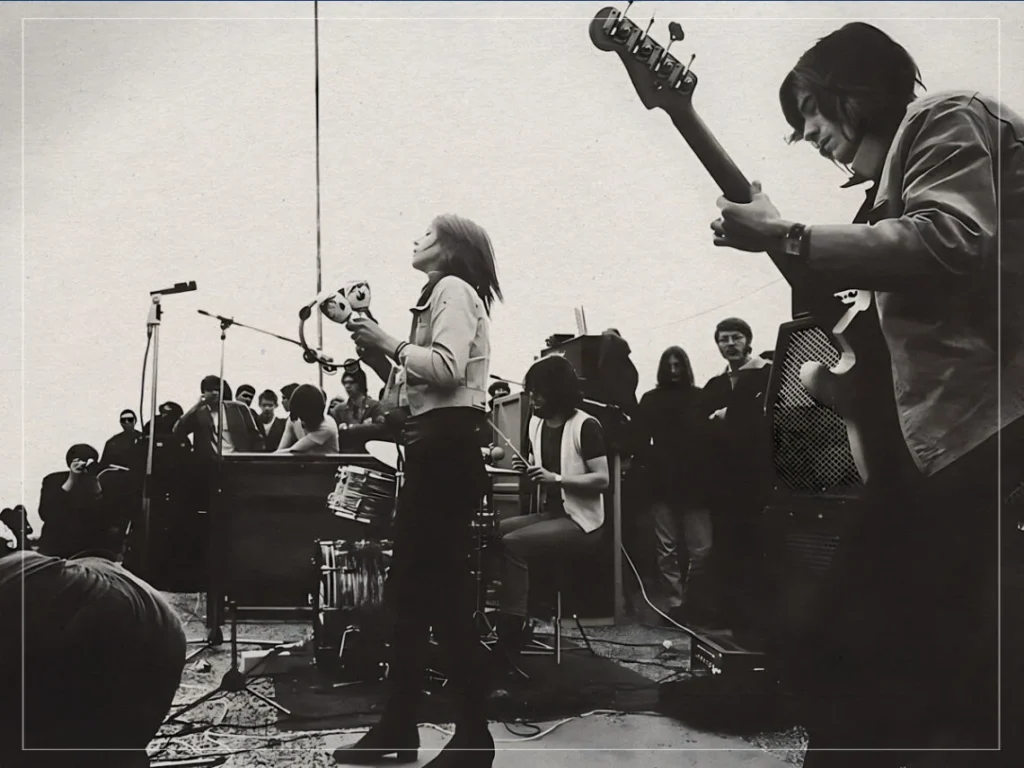
Several albums released during this period helped strengthen Engel’s reputation as a creative artist willing to experiment with structure and sound design. His ability to move between musical chaos and controlled rhythmic tension became one of the defining characteristics of his later work.
The Chinese Stars also demonstrated how underground artists could evolve creatively without abandoning authenticity. Rather than chasing mainstream trends, Engel continued developing his own artistic language.
Eric Paul Engel as a Poet and Writer
While many people recognize Eric Paul Engel primarily through music, his literary work also became an important part of his career. He published poetry collections that reflected themes similar to those found in his lyrics: emotional instability, surreal imagery, fragmented memory, anxiety, violence, and dark humor.
His writing style often rejected traditional poetic structure. Instead, it relied on emotional momentum, visual imagery, and unpredictable transitions. Readers familiar with underground literature and spoken-word performance found his work compelling because it felt intensely personal without becoming overly sentimental.
Some recurring themes in his poetry include:
- Isolation and alienation
- Urban emotional decay
- Psychological fragmentation
- Identity confusion
- Performance anxiety
- Existential fear
Engel’s poetry gained attention within independent literary journals and underground publishing circles. His collections attracted readers who appreciated raw emotional honesty and experimental literary techniques.

The crossover between his music and writing helped strengthen his artistic identity. Fans who discovered his bands often became interested in his poetry, while readers of his literary work explored his music afterward. This multi-disciplinary creative approach expanded his influence beyond a single artistic category.
Performance Style and Artistic Identity
One reason Eric Paul Engel became memorable within underground culture was his live performance style. Unlike conventional rock frontmen focused on crowd interaction or polished stage presentation, Engel approached performances almost like emotional confrontations.
Audience members frequently described his performances as:
- Unpredictable
- Visceral
- Intense
- Uncomfortable
- Emotionally explosive
- Physically demanding
His stage presence often blurred the line between music performance and performance art. Instead of presenting carefully rehearsed gestures, he embraced chaos and spontaneity. This created an atmosphere where audiences felt emotionally involved rather than simply entertained.
Many underground performers later adopted similar approaches influenced by the energy and fearlessness of artists like Engel. His style demonstrated that live music could function as emotional theater rather than simple entertainment.
This authenticity became one of his strongest artistic qualities. Even listeners unfamiliar with noise rock frequently recognized the emotional sincerity behind his performances.
Influence on Underground Music Culture
Eric Paul Engel’s influence extends beyond individual bands or recordings. His work contributed to broader underground music movements that valued artistic freedom, DIY ethics, and emotional intensity over commercial success.
Noise rock communities often celebrate artists who challenge expectations and reject formulaic songwriting. Engel became respected because he consistently pursued originality even when it limited mainstream appeal.
His impact can be seen in several areas:

Experimental Vocal Performance
Many later vocalists in noise rock and post-hardcore scenes adopted more theatrical and emotionally unstable vocal styles influenced by performers like Engel.
DIY Independent Culture
His career reflected the values of underground artistic independence. Rather than relying on mainstream labels, his projects remained closely connected to independent creative communities.
Cross-Disciplinary Creativity
By combining poetry, spoken word, performance art, and music, Engel demonstrated how artists could build identities across multiple mediums.
Emotional Rawness
His work encouraged emotional vulnerability without polished presentation. This authenticity resonated deeply with underground audiences.
Today, many experimental musicians continue citing Providence’s underground scene as an important influence, and Eric Paul Engel remains part of that conversation.
Discography and Notable Projects
Throughout his career, Eric Paul Engel participated in several important underground music projects. Each reflected different aspects of his artistic identity.
Major Bands and Projects
| Project | Style | Known For |
|---|---|---|
| Arab on Radar | Noise rock | Chaotic live performances |
| The Chinese Stars | Experimental rock | Rhythmic tension and abstraction |
| Doomsday Student | Noise/post-hardcore | Aggressive sonic experimentation |
| Psychic Graveyard | Experimental noise rock | Dark atmospheric textures |
These projects helped establish Engel as a major figure in underground experimental music circles. His collaborations often involved musicians interested in unconventional structures and emotionally intense performance styles.
Several releases from these bands became cult favorites among collectors of underground vinyl records and experimental rock archives.
Why Eric Paul Engel Still Matters Today
Despite remaining outside mainstream commercial fame, Eric Paul Engel continues attracting interest from music historians, underground collectors, and younger experimental artists. Part of this continued relevance comes from the authenticity present throughout his work.
Modern music audiences increasingly search for emotionally honest art that feels different from heavily commercialized entertainment. Engel’s recordings and performances represent a form of creativity driven by expression rather than algorithms or trends.
Streaming services and online music archives have also introduced his work to new generations. Younger listeners exploring noise rock history often discover his bands while researching influential underground acts from the late 1990s and early 2000s.
His literary contributions also remain relevant because they document a particular artistic mindset connected to underground American culture during that era. For readers interested in alternative literature and spoken-word experimentation, his poetry still feels emotionally immediate.
Artists who reject formulaic creativity often gain stronger long-term cult followings, and Eric Paul Engel fits that pattern perfectly.
The Legacy of Eric Paul Engel
The legacy of Eric Paul Engel is rooted in artistic fearlessness. He built a career around experimentation, emotional honesty, and creative unpredictability. Rather than adapting to mainstream expectations, he developed a unique artistic voice that crossed music, poetry, and performance art.
His influence remains strongest within:
- Noise rock communities
- Underground literary culture
- DIY music scenes
- Experimental performance art circles
- Independent publishing communities
For many fans, his work represents a reminder that creativity does not need commercial approval to become meaningful or influential.
His bands continue receiving renewed interest from collectors and younger experimental listeners. Meanwhile, his poetry remains appreciated by readers searching for emotionally raw and unconventional writing styles.
Eric Paul Engel’s artistic career demonstrates how underground culture often shapes long-term creative influence more deeply than short-term mainstream popularity.
Frequently Asked Questions
Who is Eric Paul Engel?
Eric Paul Engel is an American musician, writer, and poet known for his work in underground noise rock bands including Arab on Radar, The Chinese Stars, Doomsday Student, and Psychic Graveyard.
What genre of music is Eric Paul Engel known for?
He is primarily associated with noise rock, experimental rock, post-hardcore, and spoken-word influenced underground music.
Why is Eric Paul Engel influential?
He became influential because of his intense stage presence, unconventional vocal style, emotionally charged performances, and contributions to underground experimental music culture.
Was Eric Paul Engel also a writer?
Yes. Besides music, he published poetry collections and contributed to literary journals connected to underground and experimental writing communities.
What made his performances unique?
His live performances combined emotional unpredictability, theatrical movement, spoken-word elements, and confrontational energy that felt more like performance art than standard rock concerts.
Which band made Eric Paul Engel famous?
Arab on Radar became one of his most recognized projects and helped establish his reputation within underground noise rock communities.
Is Eric Paul Engel still influential today?
Yes. His work continues influencing experimental musicians, underground artists, and fans of noise rock and avant-garde performance culture.
