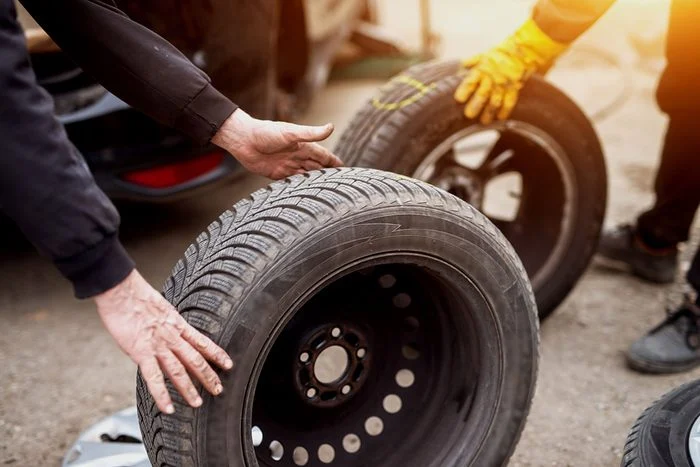
how to rotate tires — sounds simple, right? But the moment you actually look into it, things get weirdly technical. Front-wheel drive, rear-wheel drive, X-patterns, jack stands, torque specs… and suddenly it feels like you need an engineering degree just to keep your tires healthy.
how to rotate tires is one of those basic car maintenance tasks that most people know they should do… but don’t always get around to. And honestly, it’s not always about laziness. Sometimes it’s just confusion. What goes where? How often? Do you even need to remove all four wheels?
how to rotate tires matters more than people think. Tires don’t wear evenly. The front ones usually take more stress because of steering and braking. The rear ones just kind of… follow along. Over time, that uneven wear turns into reduced grip, noisy rides, and earlier replacement costs.
how to rotate tires can actually save you a decent amount of money over the life of your car. Not in some dramatic “you’ll become rich” way, but enough that you’ll notice fewer surprise expenses at the tire shop.
how to rotate tires is also one of those habits that quietly improves safety. Better traction, more balanced handling, and fewer sketchy moments in rain or sudden stops. It’s not flashy maintenance, but it does matter.
And yeah, I know… it can sound like one of those “do it every 5,000 miles” rules that people ignore until something goes wrong. But once you understand it, it’s actually pretty straightforward.
Why Tire Rotation Even Exists
Before jumping into how to rotate tires, it helps to understand why this is even a thing.
Your tires don’t wear evenly because your car doesn’t treat them evenly.
- Front tires handle steering
- Front tires handle most braking
- In front-wheel-drive cars, front tires also handle power delivery
- Rear tires mostly stabilize
So naturally, the front ones wear faster. Sometimes a lot faster.
That’s where how to rotate tires comes in—it evens things out so all four tires wear more uniformly. Instead of replacing two tires early and two later, you extend the life of the full set.
And yeah, it feels a bit like stretching your grocery budget. Same money, just used smarter.
When Should You Rotate Tires?
Most mechanics suggest every 5,000 to 8,000 miles. Or roughly every oil change if you’re consistent with those.
But how to rotate tires timing also depends on:
- Driving habits (aggressive braking = faster wear)
- Road conditions (rough roads = uneven wear faster)
- Vehicle type (SUVs and trucks may differ)
If you start noticing uneven tread depth or vibration while driving, you probably waited too long.
Basic Tools You’ll Need
Before learning how to rotate tires, you’ll want a few basic tools:
- Car jack
- Jack stands (important—don’t skip these)
- Lug wrench or impact wrench
- Torque wrench (for proper tightening)
- A flat surface (seriously, don’t do this on a slope)
Nothing too fancy. Most of this is already in your trunk if you bought a new car.
Common Tire Rotation Patterns
Now here’s where how to rotate tires gets slightly technical—but stay with it.
Different cars need different patterns:
1. Front-Wheel Drive (FWD)
- Front tires go straight to the back
- Rear tires move diagonally to the front
2. Rear-Wheel Drive (RWD)
- Rear tires go straight to the front
- Front tires move diagonally to the rear
3. All-Wheel Drive (AWD)
- Usually an X-pattern (diagonal swaps all around)
4. Directional Tires
- Only rotate front to back on the same side
And yes, it sounds like a lot. But once you visualize it once, it becomes easier.
Step-by-Step: How to Rotate Tires
Alright, let’s actually walk through how to rotate tires without making it feel like a workshop manual.
Step 1: Park safely
Flat ground. Handbrake on. Engine off. Let the car cool if you just drove.
Step 2: Loosen lug nuts
Don’t remove them completely yet. Just loosen them a bit while the car is still on the ground.
Step 3: Lift the car
Use a jack to lift one corner at a time—or the whole side if you’re experienced.
Place jack stands under secure points. This part matters more than people admit.
Step 4: Remove tires
Take off each wheel and set them aside. Try not to mix them up if you’re following a pattern.
Step 5: Rotate according to pattern
This is the core of how to rotate tires. Follow your vehicle’s pattern carefully.
Front to back, back to front, diagonal swaps… it depends.
Step 6: Reinstall tires
Put each tire back in its new position.
Hand-tighten lug nuts first.
Step 7: Lower car and tighten properly
Lower the car completely, then use a torque wrench to tighten lug nuts properly.
Not too loose. Not overly tight. Just correct.
Mistakes People Make (A Lot)
Even when people know how to rotate tires, they still mess up small things:
- Skipping jack stands (dangerous)
- Forgetting torque specs
- Mixing up directional tires
- Not checking air pressure afterward
- Rotating unevenly
And honestly, the most common mistake? Not doing it at all.
Do You Really Need to Rotate Tires?
Short answer: yes.
Long answer: if you want your tires to last longer, perform better, and wear evenly, then how to rotate tires is not optional maintenance—it’s preventive care.
Skipping it won’t destroy your car overnight. But over time, it slowly increases costs and reduces safety.
Can You Rotate Tires Yourself?
Yes, and that’s the good news.
Learning how to rotate tires at home isn’t just about saving money—it’s also about understanding your car a bit better. You start noticing wear patterns. You get more confident with basic maintenance.
But if you’re not comfortable lifting a car, there’s no shame in letting a shop do it. It’s usually quick and inexpensive.
How Much Does It Save You?
Tires aren’t cheap. A full set can last longer when rotated properly—sometimes thousands of extra miles.
So how to rotate tires basically stretches the lifespan of your investment. Instead of replacing two tires early, then the other two later, you delay the whole replacement cycle.
It’s not dramatic savings, but it adds up quietly.
What Happens If You Don’t Rotate Tires?
Ignoring how to rotate tires leads to:
- Uneven tread wear
- Reduced traction
- More road noise
- Poor handling
- Earlier replacement
In worst cases, it can even affect braking distance. Not instantly, but gradually.
It’s one of those “you won’t notice until you do” situations.
A Small Tip Most People Miss
After you finish how to rotate tires, always check air pressure.
Tires settle differently in new positions. Even a small imbalance can affect comfort and wear.
It’s a tiny step, but it helps a lot.
Final Thoughts
Learning how to rotate tires isn’t complicated, but it does take a bit of patience the first time. After that, it becomes routine—like changing oil or checking coolant.
It’s one of those maintenance habits that quietly saves money, improves safety, and keeps your car feeling stable on the road.
