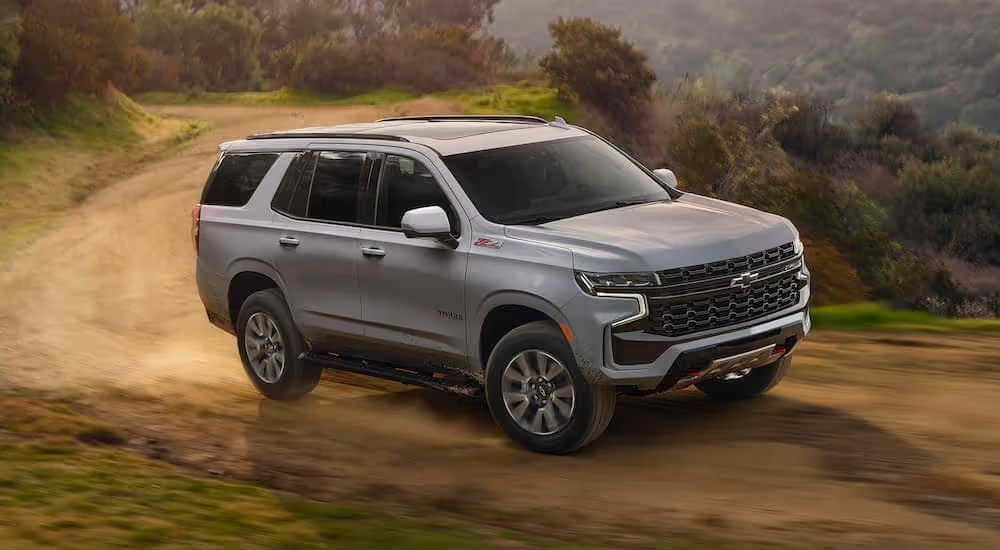
Shopping for a full-size SUV sounds exciting at first. Big cabins, serious towing power, enough room for kids, luggage, pets, and all the random stuff that somehow ends up in the back after every road trip. But once you actually start comparing models… things get confusing fast. And if you’ve been researching a chevy tahoe competitor, you’ve probably noticed just how crowded this market has become lately.
The Chevy Tahoe has been one of the most recognizable large SUVs in America for years. Families love it because it’s roomy. Drivers like the commanding road presence. And honestly, it still looks tough without trying too hard. But here’s the thing — the Tahoe isn’t the only strong option anymore. Not even close.
Today, buyers want more than size alone. They want advanced safety tech, better fuel economy, smoother rides, luxury-level interiors, stronger resale value, and real-world practicality. Some people want a cheaper alternative. Others want more luxury without jumping into expensive European brands. And many just want the best SUV possible for their money.
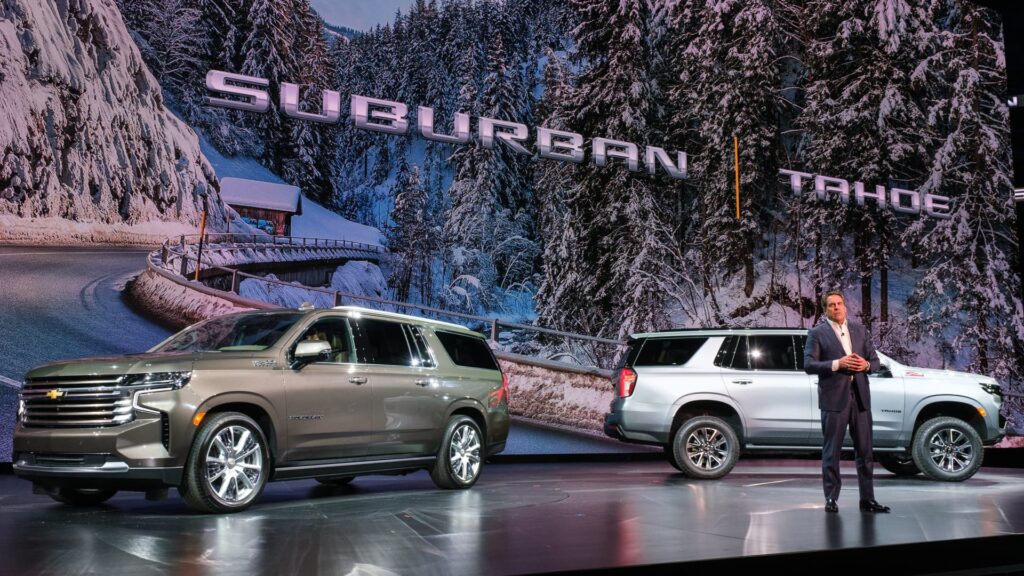
That’s exactly why finding the right chevy tahoe competitor matters.
Maybe you’re comparing towing numbers for your camper. Maybe your family has outgrown a midsize SUV. Or maybe you simply want something that feels more refined than older truck-based SUVs used to feel. Whatever the reason, this guide breaks everything down in plain language without the marketing fluff.
We’ll look at the best SUVs similar to the Chevy Tahoe, compare strengths and weaknesses, discuss pricing, comfort, technology, reliability, fuel economy, and help you decide which full-size SUV actually deserves your money in 2026.
And honestly… some competitors are surprisingly better in certain
What Is a Chevy Tahoe Competitor?
A chevy tahoe competitor is any full-size SUV that directly competes with the Chevrolet Tahoe in areas like size, seating capacity, towing ability, comfort, technology, and overall value. These vehicles are usually large three-row SUVs built for families, long trips, towing trailers, and people who simply need more room than a midsize crossover can offer.
The biggest rivals include the Ford Expedition, GMC Yukon, Toyota Sequoia, Nissan Armada, Jeep Wagoneer, and even luxury-focused options like the Lincoln Navigator. Some focus heavily on performance. Others prioritize reliability or upscale interiors. And a few try to balance everything at once.
What makes this category interesting is how much it has evolved. Years ago, large SUVs were mostly about raw power and cargo space. They rode rough, burned fuel quickly, and often felt outdated inside. But modern full-size SUVs are different. They’re smoother, smarter, quieter, and honestly much closer to luxury vehicles than people expect.
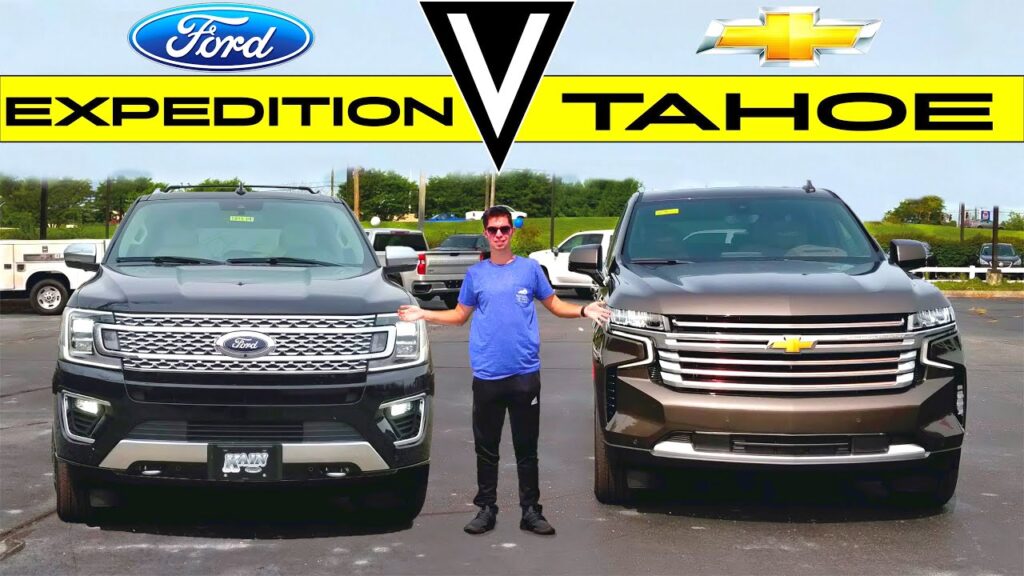
The Chevy Tahoe itself remains popular because it checks many boxes. It offers strong towing capacity, generous interior space, and modern technology. But buyers now compare it against competitors that may offer better fuel economy, stronger hybrid systems, more upscale interiors, or even better long-term reliability.
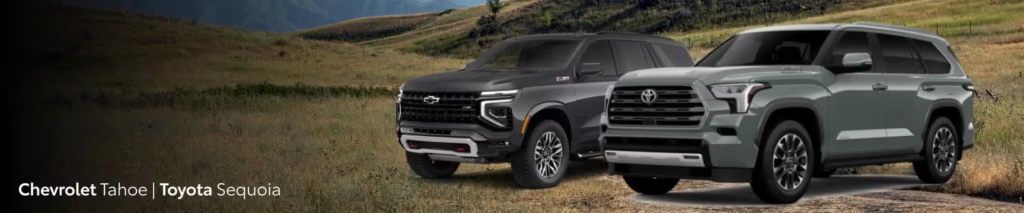
For example, the Toyota Sequoia appeals to buyers who prioritize dependability and hybrid efficiency. The Ford Expedition delivers impressive towing and turbocharged performance. The Jeep Wagoneer targets buyers wanting premium comfort with bold styling. Meanwhile, the GMC Yukon feels like a more refined cousin to the Tahoe with upscale features and luxury trims.
And then there’s pricing. Some people searching for a chevy tahoe competitor are trying to save money. Others are willing to spend more if the value makes sense. That’s why understanding the strengths of each SUV matters before signing a financing agreement that could last years.
Another important factor is lifestyle. A family with four kids and sports equipment has different priorities than someone towing a boat every weekend. Some drivers care about cargo space more than horsepower. Others care about off-road capability or advanced driver assistance features.
The good news? The modern large SUV market has something for almost everyone.
But the bad news… choosing the wrong one can become expensive fast.
Why Choosing the Right Chevy Tahoe Competitor Matters
Buying a full-size SUV isn’t a small decision. These vehicles often cost as much as luxury sedans, and ownership expenses add up quickly over time. Fuel, insurance, maintenance, tire replacement — it all matters more when you’re driving something this large. That’s why picking the right chevy tahoe competitor can genuinely affect your daily life for years.
One major reason people compare alternatives is value. Some SUVs provide similar capabilities to the Tahoe while offering lower starting prices or more standard features. Buyers today are smarter than ever. They don’t just look at the badge anymore. They compare warranty coverage, fuel costs, reliability ratings, and long-term ownership experiences.
Another reason competition matters is technology. Modern buyers expect advanced safety systems, large touchscreens, wireless smartphone integration, premium audio systems, and hands-free driving features. Some Tahoe competitors simply do certain tech features better. Ford, for instance, has made major improvements in infotainment and towing assistance technology. Toyota has pushed hard into hybrid efficiency without sacrificing performance.
Interior quality is another huge factor. And honestly, this is where some buyers feel surprised after comparing models in person. Certain SUVs feel much more luxurious inside than expected. The Jeep Wagoneer and GMC Yukon Denali especially stand out here. Soft-touch materials, panoramic roofs, massive displays, heated and ventilated seating — these things matter when you spend hours driving every week.
Then there’s practicality. A large SUV should actually make life easier. Families want easy third-row access. Parents care about storage compartments, charging ports, and cup holders. Travelers need cargo flexibility. If a vehicle looks good but becomes annoying during daily use, frustration builds quickly.
Fuel economy also matters more now than it used to. Gas prices fluctuate constantly, and large SUVs traditionally haven’t been efficient. That’s why hybrid competitors are becoming increasingly attractive. Buyers researching a chevy tahoe competitor often want the same capability with fewer stops at the gas station.
Resale value deserves attention too. Some SUVs depreciate much faster than others. Toyota models traditionally hold value extremely well, while luxury trims from some brands lose value quicker over time. This matters if you plan to trade in or sell the SUV after several years.
And finally, comfort matters. Really matters.
A full-size SUV isn’t just transportation anymore. It’s where families spend hours during vacations, school pickups, weekend shopping, sports tournaments, and road trips. The right SUV feels calm, quiet, spacious, and easy to live with. The wrong one feels tiring.
That’s why comparing every major chevy tahoe competitor carefully is worth the effort before buying.
Best Chevy Tahoe Competitor Models in 2026
The full-size SUV market is stacked right now, but a few models clearly stand out as serious competition for the Tahoe. Each one brings something different to the table, which is why choosing the “best” option really depends on your priorities.
Ford Expedition
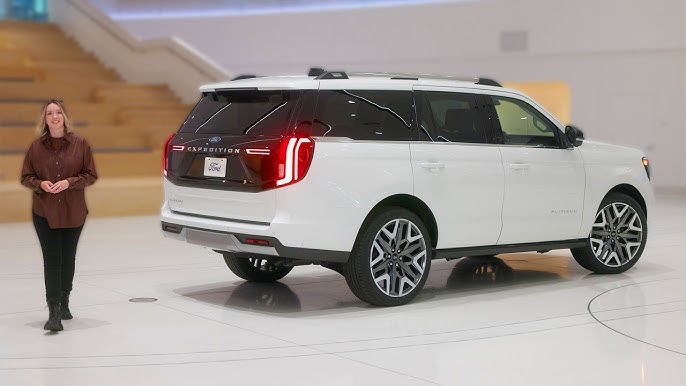
The Ford Expedition remains one of the strongest rivals. It offers a spacious cabin, excellent towing capability, and a surprisingly smooth ride for such a large SUV. Its turbocharged EcoBoost engine delivers strong acceleration without relying on a traditional V8. Families also love the roomy third-row seating.
The Expedition Max version is especially appealing for road trips because of its enormous cargo area. If towing and passenger space are your top priorities, this is probably the most direct chevy tahoe competitor available today.
GMC Yukon
The GMC Yukon shares similarities with the Tahoe because they’re built under the same corporate umbrella, but the Yukon feels noticeably more upscale. Higher trims like the Denali and Denali Ultimate deliver premium materials and luxury-level interiors that rival expensive European SUVs.
Buyers wanting comfort without abandoning rugged SUV capability often lean toward the Yukon.
Toyota Sequoia
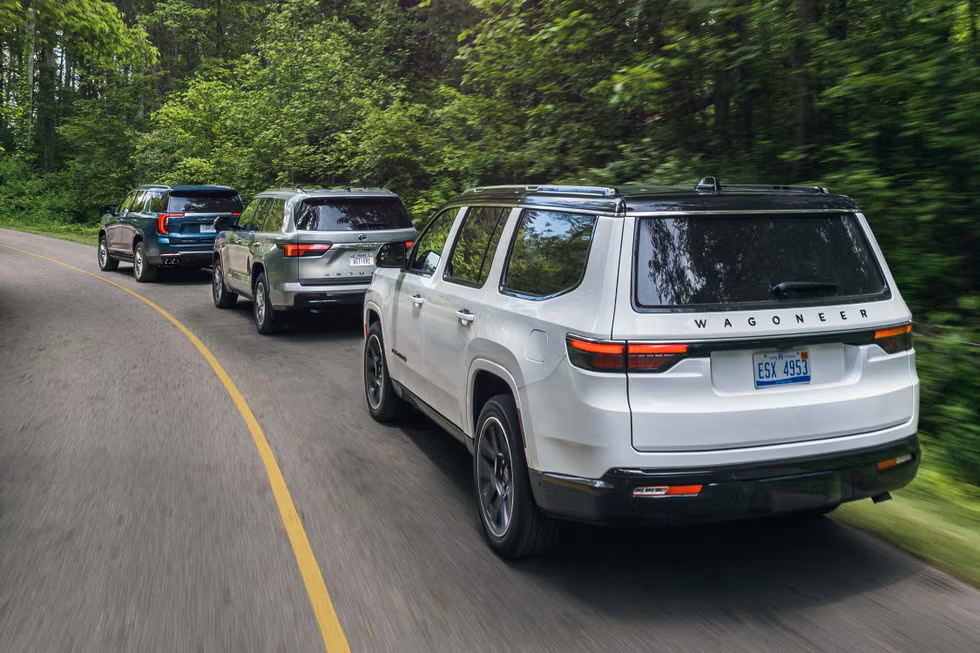
Toyota completely transformed the Sequoia into a modern hybrid-powered SUV. It’s now more fuel-efficient than many rivals while still offering strong towing power. Reliability is also a major selling point here. Toyota’s reputation alone attracts many buyers searching for a dependable alternative.
And honestly, some families choose the Sequoia purely for peace of mind.
Jeep Wagoneer
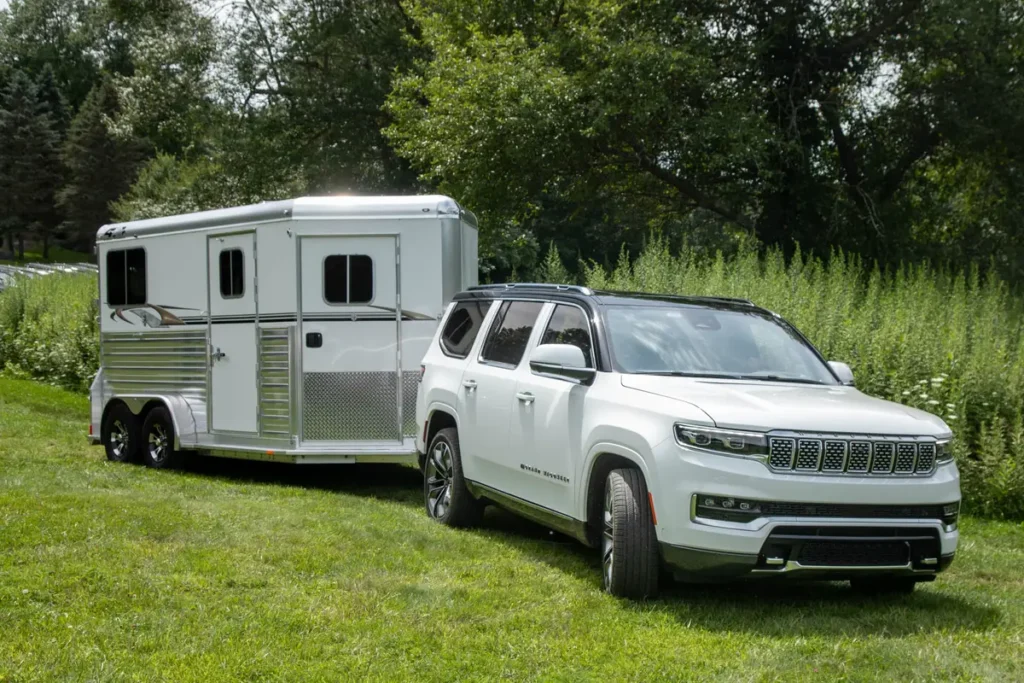
The Wagoneer feels bold, luxurious, and surprisingly refined. Jeep positioned it as a premium American SUV with massive interior space and strong road presence. It handles long-distance driving incredibly well and offers upscale finishes throughout the cabin.
Some buyers even compare it to luxury brands rather than mainstream competitors.
Nissan Armada
The Armada often gets overlooked, but it delivers excellent value. Its V8 engine feels strong, and the cabin is spacious enough for large families. Pricing can also be more competitive compared to premium rivals.
For buyers wanting a capable full-size SUV without spending luxury-level money, the Armada deserves attention.
Lincoln Navigator
Technically a luxury SUV, but still relevant in this conversation. The Navigator combines serious size with premium comfort. Massive screens, plush seating, and quiet highway performance make it ideal for buyers wanting high-end refinement.
Chevrolet Suburban
Oddly enough, some buyers comparing a chevy tahoe competitor end up considering the Suburban instead. It’s basically a larger Tahoe with expanded cargo capacity and additional third-row room.
Toyota Land Cruiser
The modern Land Cruiser focuses heavily on durability and off-road capability while still offering family practicality. Buyers who prioritize ruggedness often place it high on their list.
Cadillac Escalade
The Escalade sits at the luxury end of the spectrum but remains connected to the Tahoe platform underneath. Buyers seeking maximum prestige, advanced technology, and premium design often compare these two closely.
Every SUV here has strengths. The challenge is figuring out which strengths actually matter most to your lifestyle.
Performance, Towing, and Fuel Economy Comparison
Performance is one of the biggest reasons people shop for a chevy tahoe competitor in the first place. Large SUVs need enough power to move confidently, especially when fully loaded with passengers or towing heavy equipment. Nobody wants an SUV that feels sluggish merging onto highways or climbing steep grades with a trailer attached.
The Chevy Tahoe performs well here thanks to its engine lineup, including the available V8 options and diesel engine. Towing capability is strong, especially when properly equipped. But competitors have caught up — and some have even surpassed it in certain areas.
The Ford Expedition stands out with its turbocharged V6 engine. It produces impressive torque and delivers surprisingly quick acceleration for a vehicle this size. Many reviewers actually prefer its driving feel over traditional V8-powered rivals. The Expedition also handles towing extremely well, making it a favorite for campers and boat owners.
Toyota’s Sequoia takes a different approach by using a hybrid powertrain. And while some buyers initially worry that hybrid means weaker performance, that’s not really the case anymore. The Sequoia delivers excellent low-end torque and respectable towing numbers while offering noticeably better fuel efficiency than many competitors.
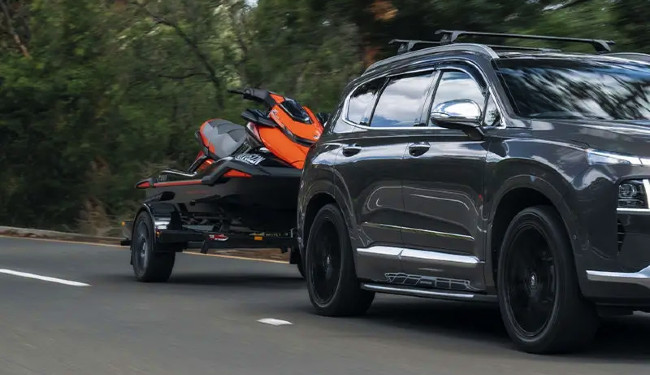
Fuel economy matters more than ever in this segment. Large SUVs aren’t cheap to run, and differences of just a few miles per gallon can save thousands over years of ownership. That’s one reason hybrid SUVs are gaining traction fast. Buyers who drive frequently often prioritize efficiency alongside capability.
The Nissan Armada still uses a traditional V8 engine, which many drivers enjoy because of its smooth power delivery and familiar feel. But fuel economy lags behind newer turbocharged and hybrid competitors.
Ride quality also plays a huge role in overall performance. Some SUVs feel truck-like and heavy, while others manage to feel composed and surprisingly refined. Air suspension systems available on certain trims improve comfort significantly. The GMC Yukon and Cadillac Escalade especially shine here with smooth highway manners and quiet cabins.
Off-road capability is another consideration for some shoppers. The Jeep Wagoneer and Toyota Land Cruiser bring more rugged credentials than many rivals. If your adventures involve trails, snow, mud, or rough terrain, these SUVs may offer advantages beyond standard family hauling.
Braking, steering, and overall driving confidence matter too. Modern buyers expect these huge vehicles to feel manageable in daily traffic. Technology like adaptive suspension, lane-centering assistance, and parking cameras makes a big difference during real-world driving.
Ultimately, the best-performing chevy tahoe competitor depends on how you plan to use it. Frequent towing? Expedition may lead. Long-distance family travel? Yukon and Wagoneer feel excellent. Fuel savings? Sequoia has an edge. Off-road exploration? Land Cruiser deserves serious consideration.
There’s no universal winner anymore — and that’s actually good news for buyers.
Interior Space, Technology, and Family Comfort
Interior comfort can completely change how you feel about owning a large SUV. People shopping for a chevy tahoe competitor usually want room — lots of it. But space alone isn’t enough anymore. Buyers expect smart layouts, premium materials, modern technology, and enough comfort to survive long road trips without complaints from passengers.
The Chevy Tahoe does many things well inside. The cabin feels spacious, seating is comfortable, and cargo capacity is impressive. But rivals have stepped up dramatically over the past few years.
The GMC Yukon arguably delivers one of the nicest interiors in the segment, especially in higher trims. Materials feel premium, screens look modern, and road noise stays impressively low. Families who prioritize comfort often find themselves drawn toward the Yukon Denali lineup because it feels almost luxury-level without fully entering luxury pricing territory.
The Ford Expedition also excels in passenger space. Third-row seating is genuinely usable for adults, which isn’t always true in SUVs. Cargo flexibility is another strength. Fold-flat seating and practical storage solutions make daily life easier, especially for larger families.
Technology matters more now than ever. Drivers expect seamless smartphone connectivity, large displays, and advanced safety systems. Wireless Apple CarPlay and Android Auto have become almost mandatory. Some competitors also offer hands-free highway driving systems, giant infotainment displays, and customizable digital gauges.
The Cadillac Escalade pushed this segment forward with its curved OLED display setup, and now many competitors are racing to improve their tech offerings too.
One interesting trend is how luxury features have filtered into mainstream SUVs. Heated rear seats, ventilated front seats, panoramic sunroofs, premium audio systems, and ambient lighting are increasingly common even outside luxury brands. Buyers comparing a chevy tahoe competitor often discover they can get upscale features without spending six figures.
Comfort during long drives matters too. Seat cushioning, suspension tuning, cabin quietness, and climate control systems all affect how relaxed passengers feel. Some SUVs absorb bumps beautifully while others still feel stiff or truck-like.
Families should also pay attention to practical details. Cup holders sound boring until you realize you don’t have enough. USB charging ports matter. Easy third-row access matters. Rear-seat entertainment matters when kids get restless during long drives.
Cargo space is another major factor. The Suburban dominates here because of its extended length, but many competitors offer smart storage layouts and generous hauling ability.
And honestly, this category keeps improving every year.
A modern full-size SUV can now feel almost like a luxury living room on wheels — quiet, spacious, connected, and surprisingly refined
Pricing and Ownership Costs
Large SUVs are expensive. There’s really no way around it. Even base models can push well beyond what many people expect to spend on a family vehicle. That’s why understanding ownership costs is critical before choosing a chevy tahoe competitor.
The Chevy Tahoe typically starts in the mid-range of this segment, but prices climb quickly once higher trims and optional packages enter the picture. Add four-wheel drive, premium audio, larger wheels, towing upgrades, or luxury features, and costs rise fast.
The Ford Expedition follows a similar pricing pattern. Base trims remain relatively competitive, but premium versions approach luxury SUV territory surprisingly quickly.
Toyota’s Sequoia often appears expensive initially, but many buyers justify the higher cost through expected reliability and stronger resale value. Toyota vehicles traditionally hold value extremely well, which can offset higher upfront pricing over time.
Fuel expenses matter too. A large V8-powered SUV can consume fuel rapidly during city driving. Buyers driving long distances every week may save substantial money by choosing hybrid-powered alternatives like the Sequoia.
Insurance costs vary significantly between models and trim levels. Luxury-focused SUVs like the Escalade and Navigator generally cost more to insure. Repair expenses can also rise with advanced technology and premium materials.
Maintenance is another area buyers sometimes underestimate. Larger tires cost more to replace. Brake jobs cost more. Oil changes use more fluid. And luxury suspension systems can become expensive outside warranty coverage.
That doesn’t mean large SUVs are bad financial decisions — not necessarily. They provide versatility many families genuinely need. But it’s important to budget realistically.
Certified pre-owned models offer another smart path for buyers wanting a premium chevy tahoe competitor without paying full new-vehicle pricing. Many lightly used SUVs still include warranty coverage while costing thousands less than brand-new versions.
Leasing can also appeal to buyers wanting lower monthly payments and access to newer technology every few years. But long-term ownership often becomes cheaper if you keep the SUV for many years.
One overlooked factor is depreciation. Certain SUVs lose value much faster than others. Toyota models historically perform well here, while some luxury trims depreciate heavily during early ownership years.
The smartest approach is comparing total ownership costs instead of focusing only on monthly payments. Fuel, maintenance, insurance, depreciation, and financing all matter.
And yes… those numbers can get surprisingly big in this segment.
Expert Tips for Choosing the Best Chevy Tahoe Competitor
Finding the right chevy tahoe competitor takes more than a quick dealership visit. A shiny SUV under showroom lights can feel impressive for ten minutes. Living with it for five years is a different story.
One of the best strategies is to think realistically about how you’ll actually use the SUV. Not the fantasy version of ownership — the real version. Daily commutes, school pickups, grocery runs, family vacations, towing duties, winter weather, parking challenges… all of it matters.
If you tow frequently, prioritize towing technology and drivetrain strength. Ford’s towing systems remain excellent, and certain GM SUVs also perform well here. But if you rarely tow anything, you may not need maximum towing capacity at all.
Families should physically test third-row seating before buying. Some SUVs advertise spacious interiors, but adults still feel cramped in the back. Bring your family during test drives if possible.
Pay close attention to visibility and parking ease too. Large SUVs can feel intimidating in crowded parking lots. Features like surround-view cameras and parking sensors genuinely help during daily driving.
Another smart move is researching reliability trends before committing. A beautiful interior won’t feel quite as impressive when warning lights keep appearing after warranty expiration.
Buyers also underestimate the importance of dealership experience. Service quality varies more than people expect. A great dealership can make ownership far less stressful.
And don’t rush.
Some shoppers buy the first SUV they test-drive because excitement takes over. But comparing multiple models back-to-back reveals important differences in comfort, handling, noise levels, and interior quality.
Negotiation matters too. Full-size SUVs often include manufacturer incentives, financing specials, or dealer discounts. Shopping at the right time of year can save thousands.
Finally, think long term. Choose an SUV that still fits your needs several years from now, not just today.
Common Mistakes Buyers Make
One common mistake buyers make when choosing a chevy tahoe competitor is focusing too heavily on appearance alone. Big wheels and flashy styling can look great initially, but ride comfort often suffers with oversized wheel packages.
Another mistake is ignoring fuel economy. Some buyers assume all large SUVs consume fuel equally, but differences between models can become significant over time.
Many people also buy more SUV than they actually need. If you rarely use the third row or tow heavy equipment, a midsize SUV might provide better value and lower ownership costs.
Skipping extended test drives is another major error. Ten-minute dealership loops don’t reveal much about long-term comfort or road noise.
Buyers sometimes overlook cargo practicality too. Measure your garage. Test cargo loading height. Check third-row folding mechanisms. Small annoyances become bigger over time.
And finally, many shoppers stretch their budget too aggressively for higher trims packed with features they rarely use.
FAQs
What is the best chevy tahoe competitor in 2026?
The Ford Expedition and Toyota Sequoia are currently among the strongest competitors because they combine space, performance, technology, and strong family practicality.
Which SUV is more reliable than the Chevy Tahoe?
Toyota Sequoia models are often praised for long-term reliability and strong resale value. Many buyers prioritize Toyota for peace of mind.
What SUV is similar in size to the Chevy Tahoe?
The GMC Yukon, Ford Expedition, Nissan Armada, and Jeep Wagoneer are all very close in size and passenger capacity.
Is the Ford Expedition better than the Chevy Tahoe?
It depends on priorities. The Expedition offers excellent towing and strong turbocharged performance, while the Tahoe provides multiple engine choices and a refined ride.
Which full-size SUV has the best fuel economy?
Hybrid-powered models like the Toyota Sequoia generally provide better fuel efficiency than traditional V8-powered SUVs.
Are luxury SUVs worth the extra cost?
For buyers who prioritize comfort, advanced technology, and premium interiors, luxury models like the Cadillac Escalade and Lincoln Navigator can absolutely feel worth it.
Final Thoughts
The search for the best chevy tahoe competitor really comes down to understanding your priorities. There’s no single SUV that dominates every category anymore. Some deliver better towing. Others offer superior comfort, stronger reliability, or better fuel efficiency.
That’s actually a good thing for buyers.
The full-size SUV market has become incredibly competitive, which means manufacturers are constantly improving technology, comfort, and capability. Whether you want a rugged family hauler, a luxurious road-trip machine, or a practical towing SUV, there’s probably an option that fits your lifestyle better than you expect.
The Ford Expedition remains one of the most balanced alternatives overall. The Toyota Sequoia stands out for efficiency and reliability. The GMC Yukon feels upscale and refined. And the Jeep Wagoneer offers bold luxury with serious road presence.
Before making a final decision, test-drive several models back-to-back. Compare ownership costs honestly. Think about how you’ll use the SUV every day — not just during occasional trips.
A full-size SUV is a major investment. Choosing the right one can make family travel easier, towing safer, and daily life much more comfortable for years ahead.
And if you’re still comparing options, now’s the perfect time to explore dealerships, request quotes, and evaluate which chevy tahoe competitor truly matches your needs.
