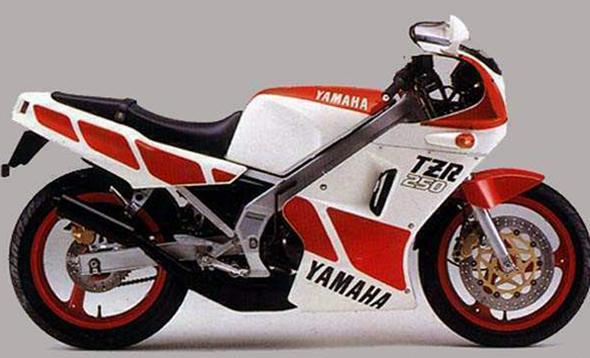
Understanding motorcycle engineering often starts with one critical component: the frame. Among the most talked-about chassis designs in modern sport bikes is the Deltabox frame, a structure closely associated with Yamaha’s high-performance motorcycles.
But what exactly is a Deltabox, and why do engineers and riders consider it such a major advancement in motorcycle handling and rigidity?
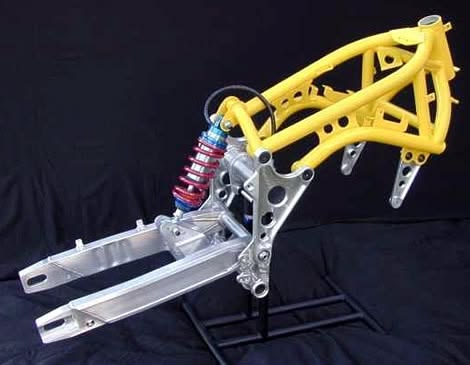
A Deltabox is a type of motorcycle frame design that uses a diamond-shaped aluminum beam structure connecting the steering head to the swingarm pivot. It was developed to improve torsional rigidity, cornering stability, and weight distribution, especially in high-speed riding conditions.
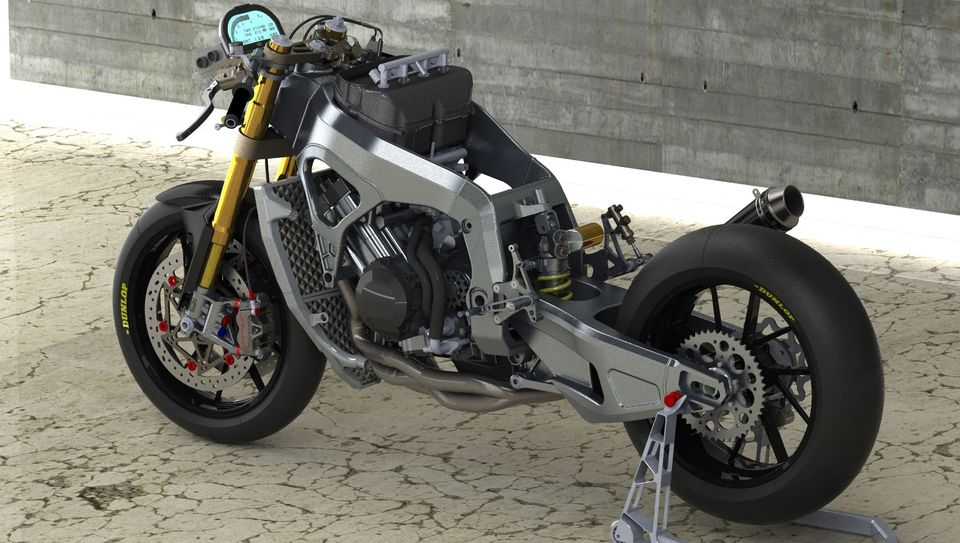
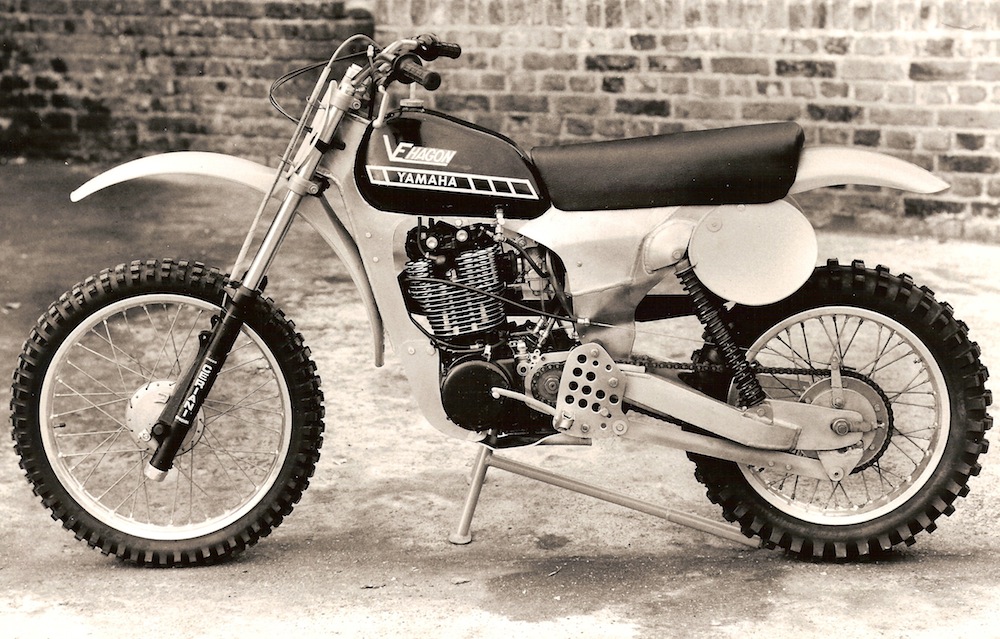
Originally introduced by Yamaha in the 1980s, the Deltabox design has evolved through multiple generations and remains a key foundation in bikes like the Yamaha YZF-R series and Yamaha MT lineup.
Search Intent Behind “What Is a Deltabox”
Most users searching this topic fall into one of three categories:
1. Beginner Riders
They want a simple explanation of what a Deltabox frame actually is.
2. Motorcycle Enthusiasts
They compare frame types like Deltabox vs Trellis vs Twin-spar.
3. Buyers Researching Sport Bikes
They want to know if a Deltabox frame improves performance or handling.
This article addresses all three intents with technical clarity and real-world context.
What Is a Deltabox Frame in Simple Terms?
A Deltabox frame is a motorcycle chassis design where two large aluminum beams form a triangular or “delta” shape (Greek letter Δ). These beams connect:
- The steering head (front fork mounting point)
- The swingarm pivot (rear wheel connection point)
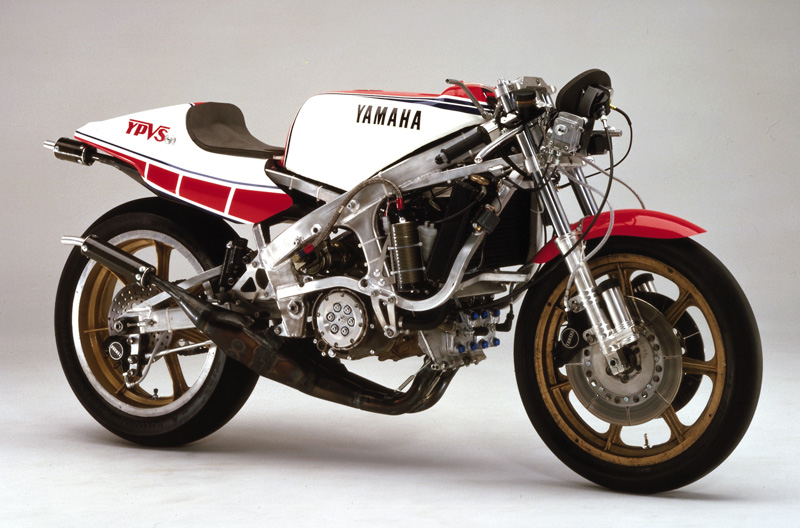
This creates a rigid, lightweight structure that reduces flex during acceleration, braking, and cornering.
Unlike traditional tubular steel frames, the Deltabox design distributes stress more evenly across the chassis. This improves stability at high speeds and gives riders more predictable handling.
Yamaha engineered this system to meet the demands of racing, where even minor flex in the frame can affect lap times and rider control.
How the Deltabox Frame Works
To understand why the Deltabox matters, you need to look at how forces move through a motorcycle during riding.
When a rider accelerates or corners, forces act on the frame in multiple directions:
- Vertical load (weight of bike + rider)
- Lateral force (cornering pressure)
- Torsional force (twisting during acceleration and braking)
The Deltabox structure handles these forces by:
Structural Design Principles
- Using wide aluminum beams for rigidity
- Creating a direct load path between front and rear
- Minimizing unnecessary flex points
- Balancing stiffness with controlled feedback
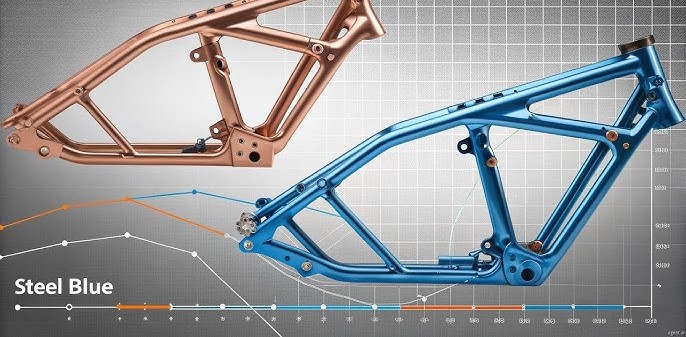
This is why Yamaha motorcycles like the YZF-R1 feel extremely stable even at high lean angles.
Deltabox vs Other Motorcycle Frame Types
Understanding Deltabox becomes easier when compared with other common chassis designs.
| Frame Type | Material | Strength | Weight | Best Use |
|---|---|---|---|---|
| Deltabox | Aluminum | High rigidity | Lightweight | Sport & racing |
| Trellis Frame | Steel tubes | Flexible balance | Medium | Naked bikes |
| Twin-Spar Frame | Aluminum/steel | Very rigid | Lightweight | Supersport bikes |
| Backbone Frame | Steel | Basic strength | Heavy | Commuter bikes |
The Deltabox design is often considered a form of twin-spar frame, but Yamaha refined it with its own geometry and structural optimization.
Why Yamaha Uses Deltabox Design
Yamaha’s engineering philosophy has always focused on controlled stiffness and rider feedback.
The Deltabox frame is used in models like:
- Yamaha YZF-R1
- Yamaha YZF-R6
- Yamaha MT-09 (modified versions)
- Yamaha YZF-R7
Key Reasons Yamaha Uses It:
- High-speed stability
- Better cornering precision
- Lightweight construction
- Improved suspension performance
- Racing-derived engineering
MotoGP influence also plays a major role. Yamaha’s racing division uses frame feedback from circuits like MotoGP to refine production models.
Advantages of Deltabox Frame
The Deltabox design offers several engineering and riding benefits:
1. Improved Cornering Stability
The rigid structure reduces unwanted flex, making turns more predictable.
2. Better Weight Distribution
Engine and chassis integration helps centralize mass for improved balance.
3. High-Speed Confidence
At highway and track speeds, the bike feels planted and stable.
4. Strong Feedback to Rider
Riders can “feel” grip levels more accurately through the chassis.
5. Lightweight Construction
Aluminum use reduces overall bike weight without sacrificing strength.
Disadvantages of Deltabox Frame
While highly advanced, the Deltabox design is not perfect for every use case.
Limitations:
- Expensive to manufacture
- Less forgiving on rough roads
- Not ideal for heavy touring motorcycles
- Repairs can be more complex
- Requires precise engineering tolerances
This is why commuter bikes and adventure motorcycles often use different frame types.
Real-World Example: Yamaha YZF-R1
The Yamaha YZF-R1 is one of the best-known motorcycles using a Deltabox frame.
In MotoGP-inspired testing, Yamaha engineers found that increased frame rigidity improved lap time consistency by enhancing mid-corner stability. Riders report that the R1 feels “locked in” during aggressive lean angles.
This is a direct result of the Deltabox structure minimizing chassis flex under load.
Deltabox Frame and Motorcycle Handling Physics
Motorcycle handling depends heavily on how the frame reacts to force.
Key Physics Concepts:
- Torsional rigidity
- Lateral stiffness
- Load transfer
- Center of gravity balance
The Deltabox frame increases torsional rigidity, meaning the frame resists twisting forces better. This leads to more predictable behavior when entering corners at speed.
A study in motorcycle chassis dynamics shows that improved rigidity reduces oscillation and improves rider confidence in high-performance scenarios.
Featured Snippet Answer
What is a Deltabox?
A Deltabox is a motorcycle frame design developed by Yamaha that uses aluminum twin beams in a triangular structure connecting the front steering head to the rear swingarm pivot, improving rigidity, stability, and handling performance.
When Should You Care About a Deltabox Frame?
A Deltabox frame matters most if you are:
- Riding sport or supersport motorcycles
- Interested in track performance
- Comparing Yamaha sport bikes
- Learning motorcycle engineering
- Evaluating handling characteristics
If your focus is commuting or touring, frame type is less critical than comfort and suspension setup.
FAQ: What Is a Deltabox
Is Deltabox better than trellis frame?
It depends on usage. Deltabox frames offer higher rigidity and better high-speed stability, while trellis frames provide more flexibility and feedback in different riding conditions.
Which Yamaha bikes use Deltabox frames?
Popular models include Yamaha YZF-R1, YZF-R6, and YZF-R7.
Is Deltabox only used by Yamaha?
Yes, the Deltabox name is Yamaha-specific, although other manufacturers use similar twin-spar aluminum frame designs.
Does Deltabox improve speed?
It does not directly increase engine speed but improves stability and cornering efficiency, which can lead to faster lap times.
Is Deltabox good for beginners?
It depends on the bike. Beginner-friendly models with Deltabox frames are still stable but tuned for manageable performance.

