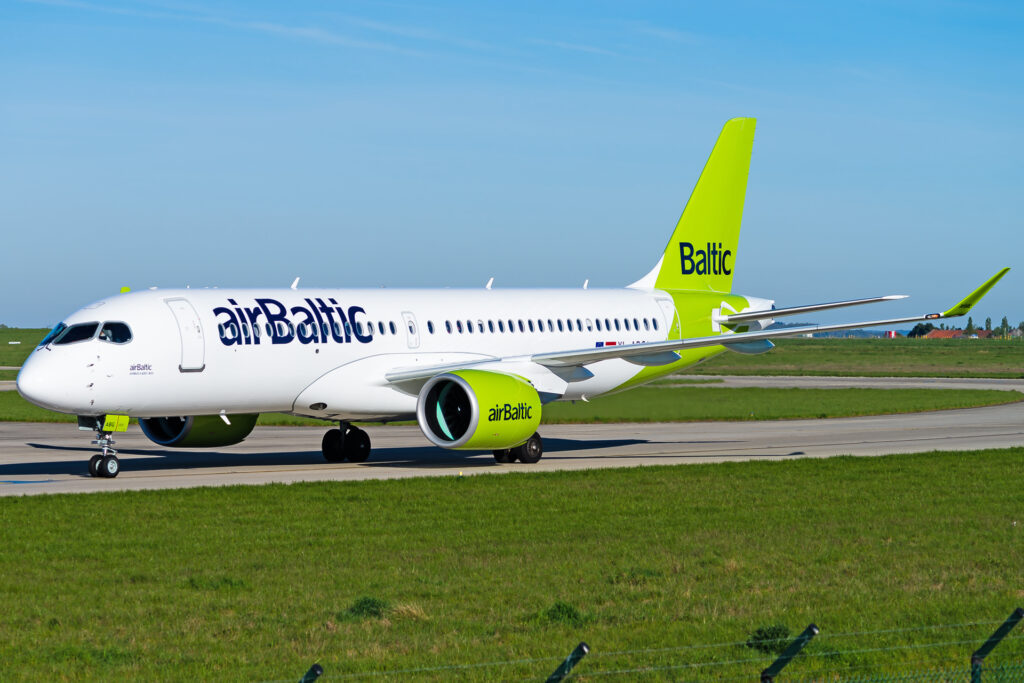
For many travelers, airBaltic is known as a regional European airline connecting the Baltic states with major cities across Europe. What surprises many aviation enthusiasts is how far the airline’s Airbus A220 fleet can actually fly. Some of airBaltic’s longest routes stretch deep into the Middle East and the Canary Islands, pushing the limits of narrow-body operations while maintaining passenger comfort and operational efficiency.
The longest airBaltic flight today is generally considered the Dubai to Riga route, which operates for around 7 hours and 25 minutes depending on weather conditions and seasonal winds. This flight has become one of the most talked-about routes in the airline’s network because it combines long-range narrow-body flying with a full-service passenger experience.
As airBaltic continues expanding its network, these longer sectors have become strategically important for tourism, business travel, and transit connectivity across Northern Europe. The airline’s all-Airbus A220 fleet plays a major role in making these operations possible without using larger wide-body aircraft.
Why the Longest Air Baltic Flight Matters
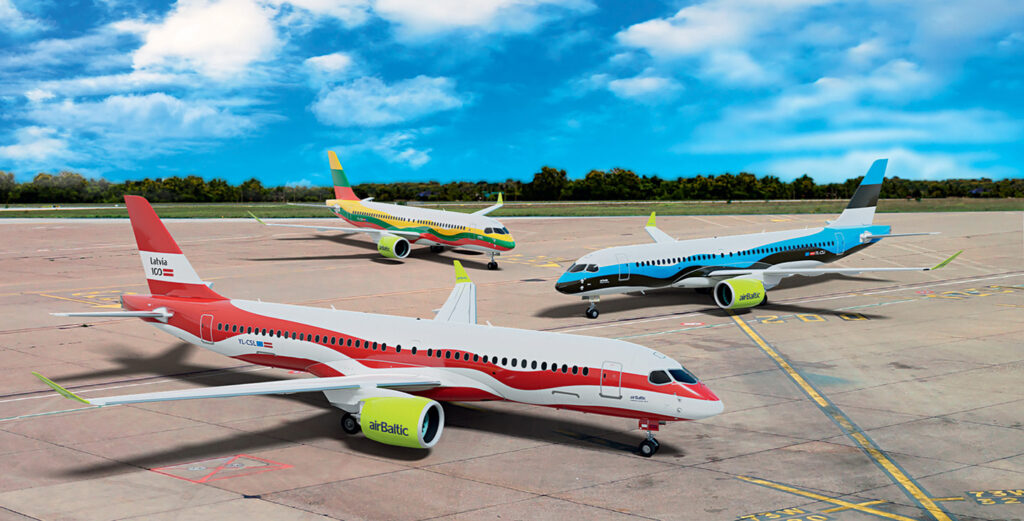
Long flights are usually associated with airlines operating Boeing 777s or Airbus A350s across continents. airBaltic has taken a different approach. Instead of relying on traditional long-haul aircraft, the airline uses the Airbus A220-300 for routes that many regional carriers would avoid.
This matters because the Airbus A220 combines lower fuel consumption with impressive range capabilities. That gives airBaltic the ability to connect smaller European markets directly with destinations in the Middle East, North Africa, and Atlantic islands without requiring massive passenger volumes.
The airline’s network strategy has become especially important for travelers from Latvia, Lithuania, and Estonia. Instead of connecting through larger hubs such as Frankfurt, Istanbul, or Amsterdam, passengers can often fly directly from Riga, Vilnius, or Tallinn to destinations previously inaccessible through nonstop service.
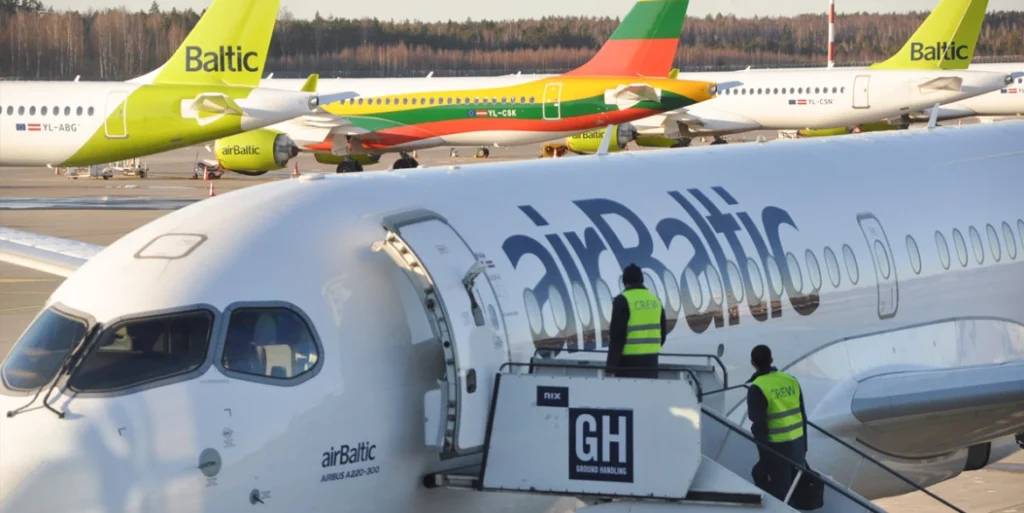
Industry analysts have noted that airBaltic’s long narrow-body flights are part of a broader trend in aviation. Airlines are increasingly preferring efficient point-to-point operations over large hub dependency. This reduces travel time for passengers while lowering operational costs for carriers.
Another reason these routes attract attention is passenger curiosity. Many travelers wonder what it feels like to spend over seven hours on a single-aisle Airbus A220. Surprisingly, reviews from frequent flyers are often positive due to the aircraft’s quieter cabin, wider seats, and larger windows compared to older narrow-body jets.
What Is the Longest Air Baltic Flight?
The current longest regularly scheduled airBaltic flight is:
| Route | Approximate Duration | Aircraft |
|---|---|---|
| Dubai (DXB) to Riga (RIX) | 7h 25m | Airbus A220-300 |
According to aviation route databases, this route remains the longest in the airBaltic network by scheduled flight duration.
The return leg from Riga to Dubai is slightly shorter due to wind patterns and operational factors, usually around 6 hours and 50 minutes to 7 hours.
What makes this route remarkable is the aircraft itself. The Airbus A220-300 is primarily categorized as a short-to-medium haul aircraft, yet airBaltic uses it for flights approaching true long-haul territory.
Passengers traveling on this route often include:
- Business travelers connecting through Riga
- Tourists heading to the Baltic region
- Transit passengers from Scandinavia
- Leisure travelers escaping European winters
- Aviation enthusiasts specifically booking the route
The Dubai route has become strategically valuable because it links Northern Europe with one of the world’s largest global transit hubs. Through Dubai, travelers can continue to Asia, Africa, and Australia using partner airlines and codeshare agreements.
Other Longest airBaltic Routes
Although Dubai to Riga is the longest, several other airBaltic flights are also unusually lengthy for a narrow-body European carrier.
Riga to Tenerife
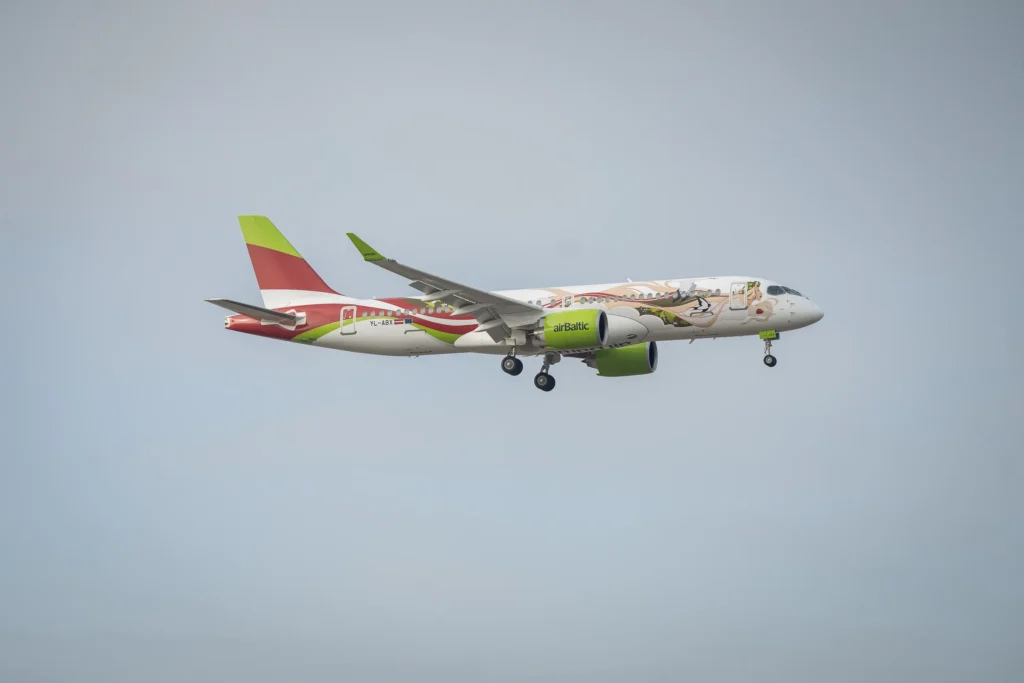
Flights between Riga and Tenerife South are among the airline’s longest leisure-oriented services. Scheduled flight times often exceed 6 hours and 40 minutes during winter operations.
This route is especially popular during colder months when Baltic travelers seek warmer destinations. Tenerife’s year-round mild climate makes it one of the most important winter sun markets for Northern Europeans.
Tallinn to Tenerife
Another exceptionally long airBaltic route connects Tallinn with Tenerife. Flight durations can reach nearly 6 hours and 50 minutes depending on seasonal winds.
For travelers from Estonia, nonstop access to the Canary Islands significantly reduces travel time compared to connecting itineraries through major European hubs.
Vilnius to Dubai
The Vilnius to Dubai service also ranks among the carrier’s longest flights, typically lasting around 7 hours.
This route demonstrates airBaltic’s growing ambition beyond its traditional Latvian base. The airline has increasingly expanded operations from Lithuania and Estonia to strengthen its position across the Baltic region.
Riga to Tashkent
Although less discussed, the Riga to Tashkent route covers substantial distance and plays an important role in connecting Central Asia with Northern Europe.
This service highlights airBaltic’s ability to serve niche markets that larger airlines may overlook.
How the Airbus A220 Makes These Flights Possible
The Airbus A220-300 is central to airBaltic’s identity. The airline operates one of the world’s largest A220 fleets and has built its entire business model around the aircraft.
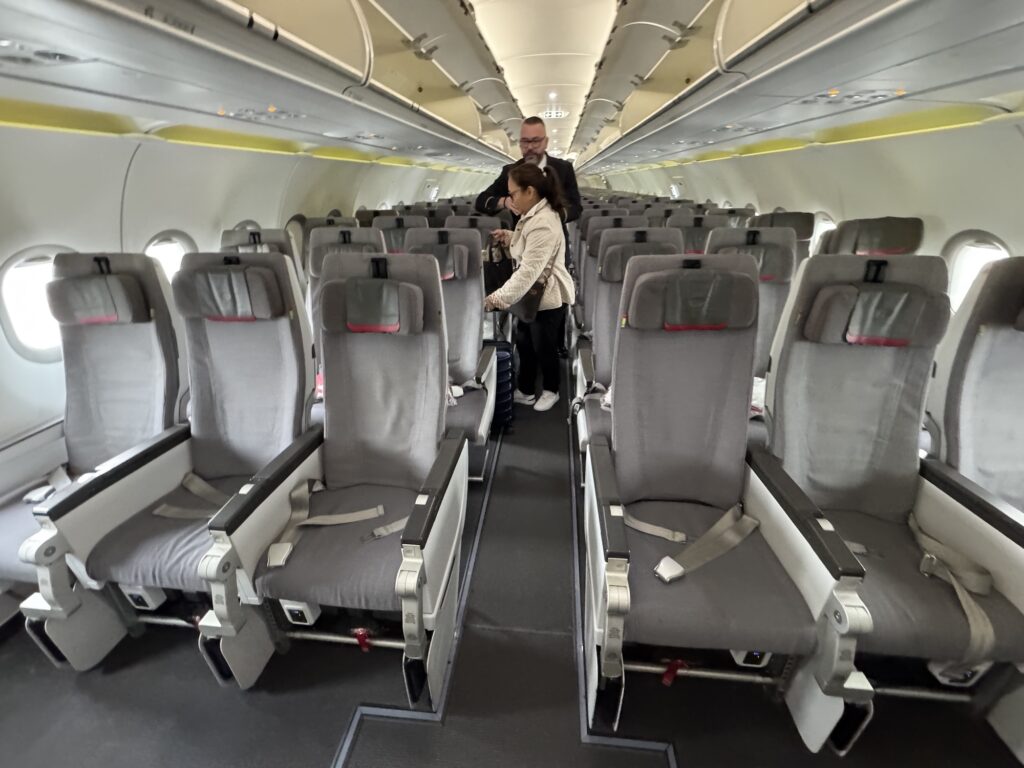
Several features make the aircraft ideal for long-range narrow-body operations:
Fuel Efficiency
The A220 burns significantly less fuel compared to older aircraft like the Boeing 737 Classic or Airbus A319. Lower operating costs allow airlines to profitably operate thinner long-distance routes.
Passenger Comfort
Cabin comfort matters more on flights exceeding six hours. The A220 offers:
- Wider economy seats
- Larger windows
- Lower cabin noise
- Better humidity levels
- Spacious overhead bins
Many travelers compare the onboard experience favorably against older narrow-body aircraft used by low-cost carriers.
Range Capability
The aircraft can operate routes exceeding 6,000 kilometers under suitable conditions. That gives airBaltic the flexibility to connect destinations that previously required larger jets.
Fleet Simplicity
Operating a single aircraft type simplifies pilot training, maintenance, and scheduling. This reduces costs while improving operational efficiency.
The airline’s commitment to the A220 has become one of the most recognized aspects of its brand identity within European aviation.
Passenger Experience on the Longest airBaltic Flight
Spending more than seven hours on a narrow-body aircraft sounds exhausting to some travelers, but the onboard experience is usually better than expected.
Seating and Cabin Layout
airBaltic configures its Airbus A220 aircraft with a modern cabin design focused on comfort and efficiency. Business class offers blocked middle seats and upgraded catering, while economy class maintains reasonable legroom for European standards.
The cabin feels less cramped than older Airbus A320 or Boeing 737 aircraft because the A220 was designed with passenger comfort as a priority.
Inflight Connectivity
The airline has invested heavily in onboard technology. airBaltic became one of the first European airlines introducing SpaceX Starlink Wi-Fi on parts of its fleet, improving connectivity on longer flights.
Reliable internet access changes the experience significantly for business travelers and remote workers.
Food and Service
Longer flights include expanded catering options compared to short intra-European sectors. Passengers can pre-order meals, and business class travelers receive upgraded dining service.
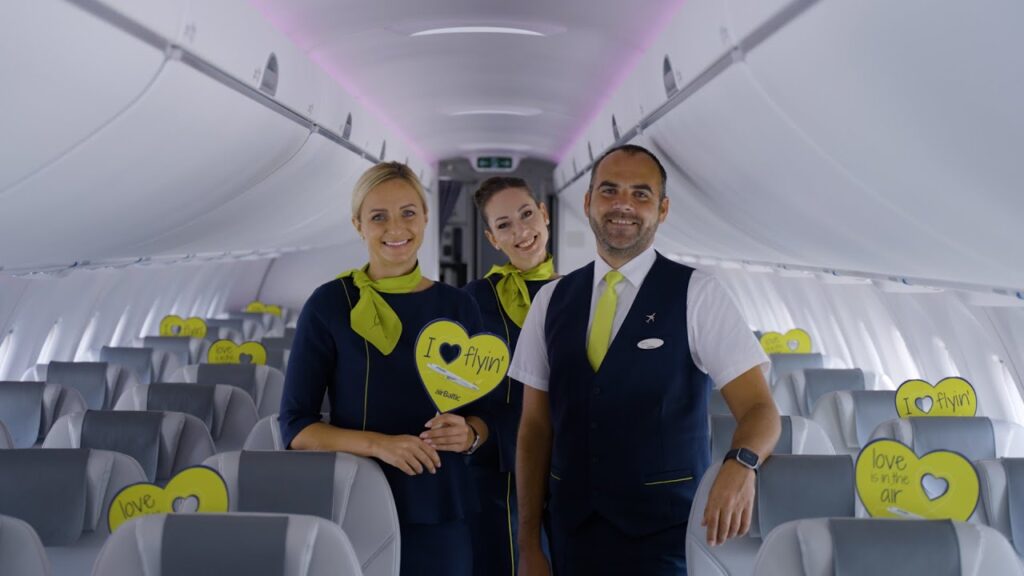
Cabin crew reviews are generally positive, particularly on longer routes where service consistency becomes more noticeable.
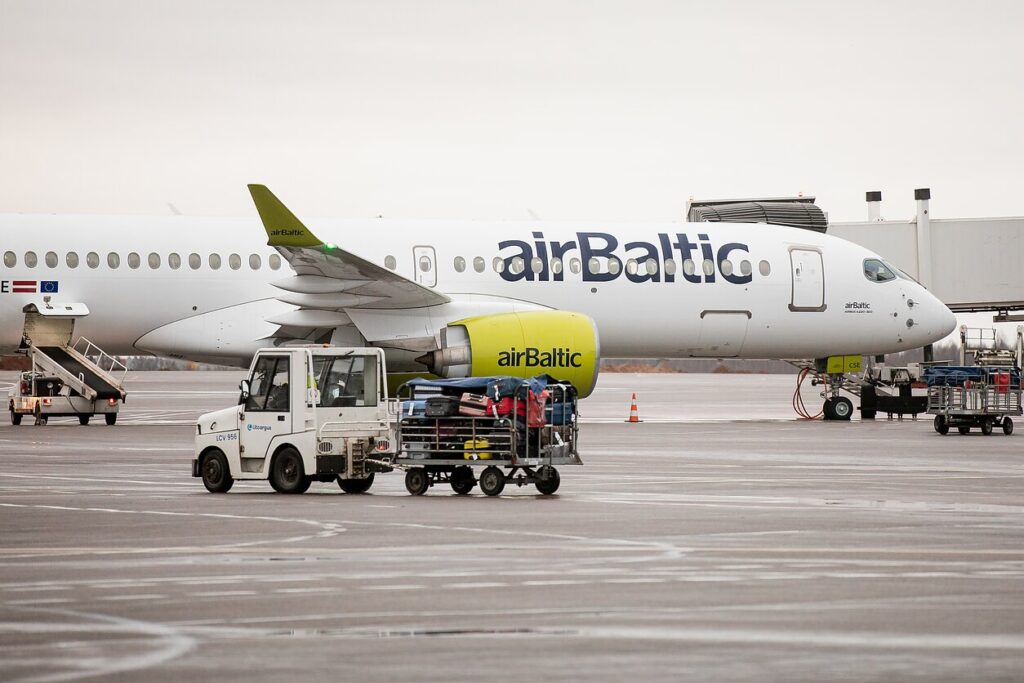
Noise Levels
One of the strongest advantages of the A220 is its quieter cabin environment. This becomes especially important on routes approaching seven hours, where engine noise fatigue can affect passenger comfort.
Why airBaltic Focuses on Long Narrow-Body Flights
airBaltic’s network strategy differs from many traditional European carriers. Instead of competing directly with giant airlines on ultra-dense routes, it targets underserved markets using efficient aircraft.
Several reasons explain this strategy.
Geographic Advantage
Riga sits in a strategic location between Northern Europe, Scandinavia, Eastern Europe, and parts of Asia. This allows airBaltic to funnel connecting traffic efficiently through Latvia.
Smaller Market Economics
The Baltic region does not always generate enough demand for large wide-body aircraft. Narrow-body long-range operations make more economic sense.
Tourism Growth
Routes to Dubai, Tenerife, Madeira, and other leisure destinations help attract tourism while reducing dependency on seasonal demand fluctuations.
Lower Operating Costs
Using one aircraft family keeps operational complexity lower than airlines operating mixed fleets of narrow-body and wide-body aircraft.
This strategy has helped airBaltic maintain strong regional relevance despite competition from major European carriers and low-cost airlines.
Challenges of Operating Long Flights With Narrow-Body Aircraft
Although the model works well, it also comes with challenges.
Passenger Expectations
Some travelers still associate long-haul comfort with wide-body aircraft. Convincing passengers to spend seven hours on a narrow-body jet requires consistent service quality.
Weather Sensitivity
Long narrow-body flights can be more vulnerable to weather disruptions, strong winds, and payload limitations compared to larger aircraft.
Fleet Pressure
Because airBaltic operates a single aircraft type, technical issues affecting the Airbus A220 fleet can disrupt multiple routes simultaneously. The airline experienced operational challenges related to Pratt & Whitney engine maintenance delays in recent years.
Competition
Large airlines operating through major hubs still offer wider global connectivity and premium long-haul experiences.
Despite these challenges, airBaltic has continued expanding its route network and strengthening its position across Northern Europe.
The Future of airBaltic Long-Haul Expansion
The airline’s future route development will likely continue focusing on medium-to-long narrow-body services rather than traditional intercontinental long-haul operations.
Industry observers expect future growth in areas such as:
- Middle East connectivity
- North Africa leisure routes
- Iceland and Atlantic destinations
- Caucasus region expansion
- Central Asian connectivity
Recent announcements and network expansion plans indicate ongoing investment in underserved markets across Europe and beyond.
The airline’s partnership and codeshare strategy also continues evolving. Cooperation with larger airline groups gives passengers broader global access while allowing airBaltic to focus on efficient regional operations.
How airBaltic Compares With Other European Airlines
Many European carriers operate short-haul narrow-body flights, but relatively few push these aircraft into seven-hour territory as aggressively as airBaltic.
| Airline | Typical Aircraft | Longest Narrow-Body Strategy |
|---|---|---|
| airBaltic | Airbus A220-300 | Strong focus on long narrow-body routes |
| Ryanair | Boeing 737 | Primarily short-haul |
| easyJet | Airbus A320 family | Medium-haul leisure focus |
| Finnair | Airbus A320 + A350 | Uses wide-bodies for long-haul |
| Lufthansa | Mixed fleet | Hub-based long-haul strategy |
airBaltic occupies a unique middle ground. It is not a low-cost airline in the traditional sense, but it also avoids the heavy infrastructure costs associated with operating large long-haul aircraft.
This niche positioning has helped the airline build a distinctive identity within European aviation.
Best Seats for Long airBaltic Flights
Travelers booking the airline’s longest flights should think carefully about seat selection.
Exit Row Seats
These provide extra legroom and are ideal for flights exceeding six hours.
Front Cabin Seats
Sitting closer to the front allows faster boarding and disembarkation while reducing engine noise perception.
Business Class
For overnight or ultra-long sectors like Dubai to Riga, business class significantly improves comfort due to additional personal space and upgraded service.
Window Seats
The Airbus A220’s larger windows make window seating particularly attractive on daytime flights over Europe and the Middle East.
Seat comfort becomes increasingly important on flights approaching seven hours, so advance selection is usually worthwhile.
Tips for Surviving a Seven-Hour Narrow-Body Flight
Long flights on narrow-body aircraft require slightly different preparation compared to short European hops.
Dress Comfortably
Cabin temperatures can fluctuate during long flights, so layered clothing works best.
Stay Hydrated
Aircraft cabins remain dry environments. Drinking water regularly helps reduce fatigue.
Download Entertainment
Although onboard Wi-Fi is expanding, travelers should still prepare offline entertainment options.
Walk Periodically
Standing and stretching every couple of hours improves circulation during longer flights.
Choose Meal Timing Wisely
Pre-ordering meals often gives passengers better choices than onboard purchases.
These small adjustments can significantly improve the experience on long narrow-body routes.
Why Aviation Enthusiasts Love These Flights
Among aviation fans, the longest airBaltic flights have gained a cult following.
Several reasons explain the fascination:
- Rare long narrow-body operations
- Airbus A220 performance capabilities
- Unusual route combinations
- Baltic aviation growth
- Efficient airline strategy
For many enthusiasts, flying seven hours on an Airbus A220 feels unique because the aircraft is still relatively new compared to traditional Boeing and Airbus narrow-body fleets.
The airline’s modern branding, young fleet, and network experimentation also contribute to its popularity within aviation communities.
FAQ Section
What is the longest airBaltic flight?
The longest regularly scheduled airBaltic flight is usually Dubai to Riga, with a flight time of approximately 7 hours and 25 minutes depending on winds and seasonal operations.
Which aircraft does airBaltic use for long flights?
airBaltic operates an all-Airbus A220-300 fleet for both short and long routes.
Is the Airbus A220 comfortable for long flights?
Yes. The Airbus A220 is widely considered one of the most comfortable narrow-body aircraft due to wider seats, larger windows, and quieter cabins.
Does airBaltic operate long-haul flights?
airBaltic mainly operates medium-haul flights within Europe, the Middle East, and nearby regions. It does not currently operate traditional intercontinental long-haul flights using wide-body aircraft.
How long is the Riga to Tenerife airBaltic flight?
The Riga to Tenerife route can take approximately 6 hours and 40 minutes depending on seasonal scheduling and wind conditions.
Why does airBaltic only use Airbus A220 aircraft?
The airline focuses on fleet efficiency, lower maintenance costs, fuel savings, and passenger comfort by operating a single aircraft family.
Does airBaltic offer Wi-Fi on long flights?
The airline has introduced Starlink Wi-Fi technology on parts of its fleet, improving internet connectivity during flights.
