
James H. Trepanier remains one of the lesser-known yet historically important figures connected to early 20th-century Minneapolis crime history. His story is closely tied to the violent underworld of Minneapolis during the Prohibition era, a period marked by bootlegging, organized crime, corruption allegations, and dangerous confrontations between police officers and criminal networks.
Although his name is not widely recognized outside historical and law enforcement circles, Trepanier’s experience reflects the risks police officers faced during one of the most volatile decades in American urban history. His shooting in 1928 and the years of suffering that followed became part of a larger narrative involving gang violence, organized crime figures, and the changing landscape of Minneapolis policing.

This article explores who James H. Trepanier was, the circumstances surrounding the Cotton Club shooting, his connection to the infamous Minneapolis mob scene, and why his story still matters today.
Who Was James H. Trepanier?
James H. Trepanier served as a patrolman with the Minneapolis Police Department during the 1920s, a time when law enforcement officers regularly encountered armed criminals linked to bootlegging operations and underground nightlife establishments.
According to historical police federation records, Trepanier joined the department on February 15, 1923. He worked during the peak of Prohibition-era violence, when illegal alcohol operations fueled organized crime throughout the United States. Minneapolis, like Chicago, Kansas City, and Detroit, dealt with increasing gang influence connected to gambling, liquor trafficking, and corruption.
Trepanier had already earned recognition for bravery earlier in his career. Historical reports mention that he was cited for courage during the capture of a bandit in 1924. He also served as a motorcycle patrol officer before later assignments in Minneapolis precinct operations.
His career and life changed permanently after a violent incident at the Cotton Club in February 1928, an event that would later become one of the most discussed shootings in Minneapolis police history.
The Cotton Club Shooting Incident
The most significant event associated with James H. Trepanier occurred on February 3, 1928, during a police response to a disturbance at the Cotton Club cabaret in Minneapolis. Historical accounts describe the venue as a nightlife establishment connected to bootlegging culture and criminal activity during Prohibition.
Trepanier and fellow officer Bernard Wynne responded after reports of weapons being drawn during a fight inside the club. Witnesses stated that tensions escalated rapidly after officers entered and began searching patrons for firearms.
During the confrontation, gunfire erupted inside the crowded cabaret. Multiple individuals allegedly opened fire on the officers. Trepanier suffered devastating injuries, including a gunshot wound that struck his spine. Officer Wynne was also wounded but survived the immediate exchange.
The scene reportedly turned chaotic within seconds:
- Tables overturned
- Patrons attempted to hide
- Shots were fired throughout the club
- Officers returned fire while injured
- Suspects fled during the confusion
Historical reports indicate that Trepanier continued firing his weapon while lying wounded on the floor. His actions were later remembered as an example of determination under extreme circumstances.
The shooting became headline news across Minneapolis and intensified public concern about organized crime violence during Prohibition.
Connection to Kid Cann and Minneapolis Organized Crime
One reason James H. Trepanier’s name still appears in historical discussions is his connection to Kid Cann, one of Minneapolis’ most notorious mob figures.
Kid Cann, whose real name was Isadore Blumenfeld, controlled significant criminal operations in Minneapolis during the Prohibition era and afterward. Historical records and crime historians have linked his name to multiple violent incidents, political influence allegations, and organized criminal activities.
Following the Cotton Club shooting, authorities investigated several suspects tied to the Minneapolis underworld. Some historical sources connected the incident to associates within Kid Cann’s circle. Reports from later crime histories continued referencing the shooting as part of the broader atmosphere of organized crime violence dominating Minneapolis during the late 1920s.
However, historians differ on the exact role Kid Cann personally played in the attack. Some accounts suggest he was present but not the shooter, while other historical narratives continued associating his organization with the event.
This uncertainty reflects a broader reality of organized crime investigations during that era:
| Historical Factor | Impact on Investigations |
|---|---|
| Witness intimidation | Reduced testimony reliability |
| Corruption allegations | Complicated prosecutions |
| Limited forensic technology | Made convictions difficult |
| Gang influence | Increased fear among witnesses |
| Political pressure | Affected criminal proceedings |
Because of these factors, many Prohibition-era shootings remained partially unresolved or disputed by historians decades later.
Trepanier’s Long Medical Struggle
The injuries suffered by James H. Trepanier permanently altered his life. Historical police records state that the bullet wound caused paralysis from the waist down. Rather than dying immediately from the shooting, he endured nearly a decade of severe medical complications and physical suffering.
Reports indicate that he spent long periods receiving treatment at hospitals and veterans’ medical facilities. During periods of partial recovery, Trepanier reportedly attempted to rebuild his life through jewelry and watch repair work. This detail often stands out in historical accounts because it demonstrates his effort to maintain independence despite catastrophic injuries.
Over time, however, his condition worsened. Medical treatment options during the 1920s and 1930s were far more limited than modern spinal injury care. Long-term paralysis frequently resulted in secondary complications that physicians struggled to manage effectively.
James H. Trepanier died on September 20, 1938, approximately ten years after the Cotton Club shooting. Historical law enforcement memorial records list his death as related to the gunfire injuries sustained in the line of duty.
His story later became part of Minneapolis police memorial history and broader discussions about officers who suffered delayed line-of-duty deaths following violent incidents.
Why James H. Trepanier Still Matters Today
Although James H. Trepanier is not widely discussed in mainstream American history, his story remains important for several reasons.
1. A Window Into Prohibition-Era America
Trepanier’s case illustrates how dangerous law enforcement work became during Prohibition. Illegal alcohol operations generated enormous profits for criminal organizations, increasing armed violence in many American cities.
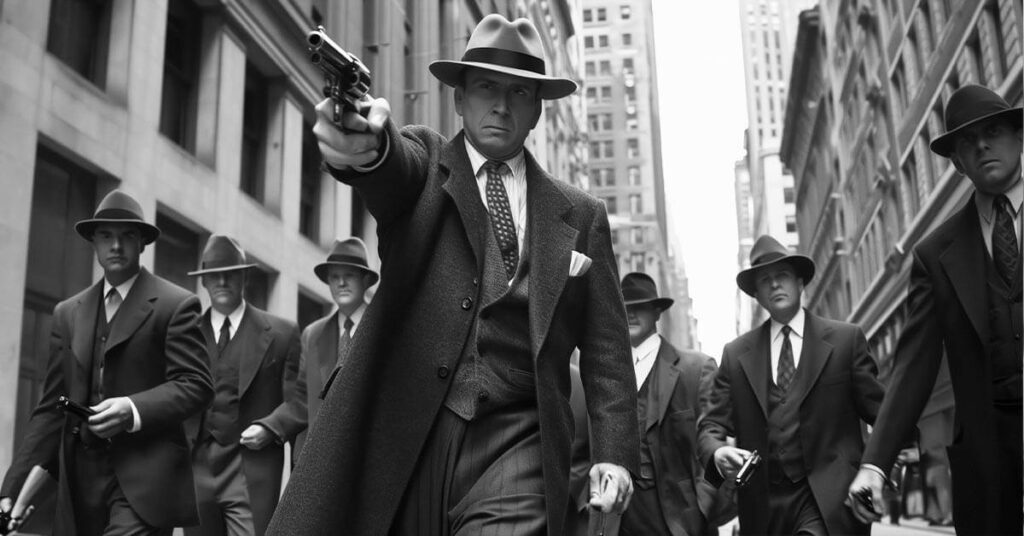
Police officers often entered unpredictable situations involving heavily armed suspects connected to organized crime groups. The Cotton Club shooting reflected that reality.
2. Historical Police Sacrifice
Modern discussions about law enforcement history frequently focus on nationally recognized events, but local officers like Trepanier also played significant roles in shaping police department history and public safety efforts.
His prolonged suffering after the shooting demonstrates the long-term human cost associated with violent encounters faced by officers during that era.
3. Minneapolis Crime History
Researchers studying Minneapolis organized crime continue referencing the Cotton Club incident because it intersected with larger stories involving:
- Bootlegging operations
- Political corruption allegations
- Gang influence
- Urban nightlife violence
- Organized crime expansion in the Midwest
Trepanier’s name remains part of that historical timeline.
Historical Context: Minneapolis During Prohibition
Understanding James H. Trepanier’s story requires understanding Minneapolis during the 1920s.
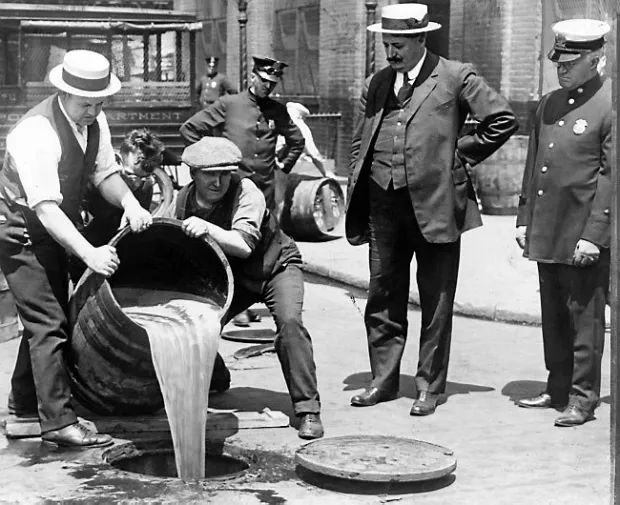
The city became a major center for illegal alcohol trafficking after Prohibition began in 1920. Criminal organizations took advantage of high demand for liquor, creating networks involving speakeasies, cabarets, gambling venues, and distribution systems.
Several conditions fueled organized crime growth:
- Weak enforcement structures
- Corruption accusations
- Economic opportunity from illegal liquor sales
- Connections between criminal figures and nightlife businesses
- Rapid urban population growth
Police departments faced increasing pressure to respond to armed violence tied to criminal enterprises. Encounters inside clubs and cabarets became particularly dangerous because crowded environments created confusion and made identifying shooters difficult.
The Cotton Club incident involving James H. Trepanier became one of the era’s most remembered examples of those risks.
Legacy in Law Enforcement History
Today, James H. Trepanier is remembered primarily through police memorial organizations, historical archives, and research into Minneapolis crime history.
His case is often cited alongside discussions about officers who suffered delayed deaths following line-of-duty injuries. Unlike officers killed instantly during violent encounters, Trepanier survived for years after the shooting while dealing with permanent paralysis and declining health.
This distinction gives his story unique historical significance.
Modern law enforcement memorials increasingly recognize officers whose deaths occur years after catastrophic duty-related injuries. Trepanier’s experience reflects why those cases remain important in police history documentation.
His story also survives because it intersects with one of Minneapolis’ most studied criminal eras — the rise of organized crime during Prohibition.
Frequently Asked Questions
Who was James H. Trepanier?
James H. Trepanier was a Minneapolis police patrolman who became known for surviving a devastating shooting during a 1928 raid at the Cotton Club cabaret in Minneapolis.
What happened to James H. Trepanier?
Trepanier was severely wounded during a gunfight at the Cotton Club in February 1928. A bullet injured his spine, leaving him paralyzed. He later died in 1938 from complications related to those injuries.
Was James H. Trepanier connected to Kid Cann?
Historical accounts connect the Cotton Club shooting to the criminal environment surrounding Kid Cann and his associates. Historians continue debating the exact role Kid Cann personally played in the incident.
Why is the Cotton Club shooting historically important?
The shooting became one of Minneapolis’ most notable Prohibition-era violent incidents involving organized crime, police officers, and illegal nightlife establishments.
When did James H. Trepanier die?
James H. Trepanier died on September 20, 1938, approximately ten years after the shooting that caused his paralysis.
