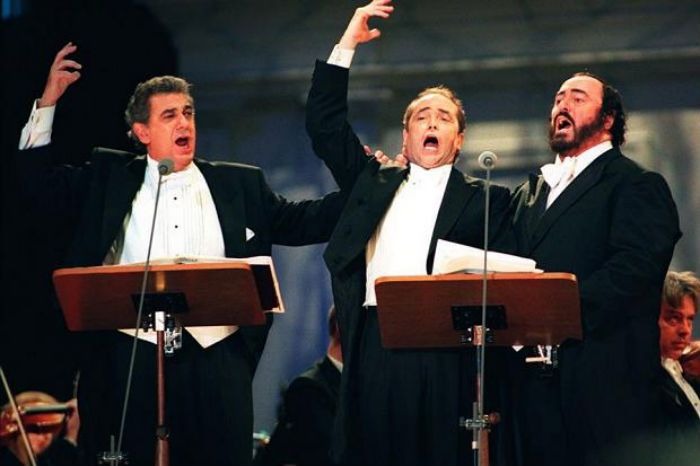
There’s something about tenor music artists that just hits differently. Maybe it’s the emotional lift in their voices… or the way they glide effortlessly into high notes that feel almost impossible. You hear it once—and suddenly, you’re hooked.
If you’ve ever found yourself replaying a song just because of that soaring vocal moment, chances are you were listening to one of the many incredible tenor music artists shaping the sound of music today. And honestly, it’s not just about opera anymore. Tenor singers are everywhere—pop, rock, classical, even indie scenes.
But here’s the thing—most people don’t really understand what makes tenor music artists so unique. They know the sound, sure. But the depth behind it? The technique? The sheer skill? That often gets overlooked.
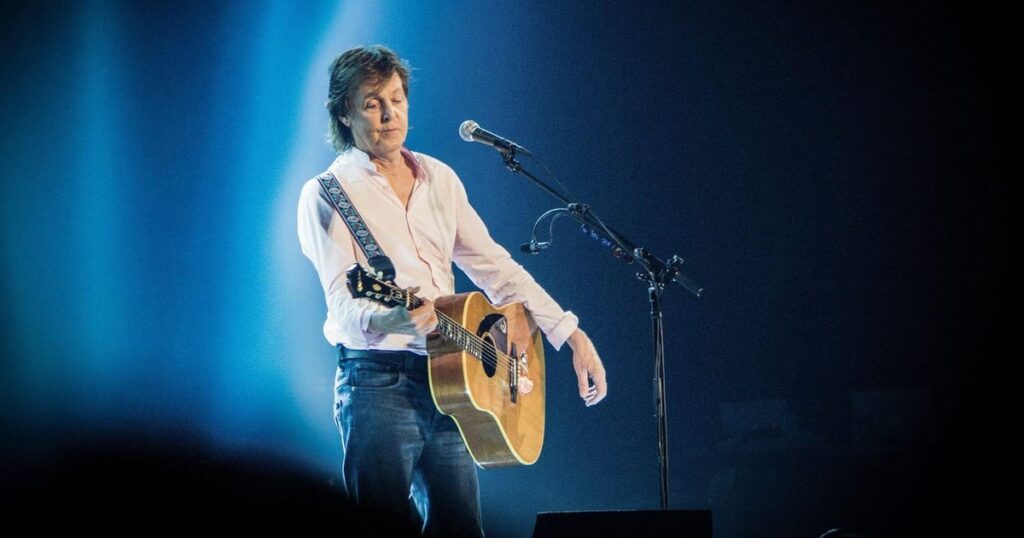
And that’s exactly what we’re diving into here. This guide isn’t just another list—it’s a full breakdown of tenor music artists, their styles, why they matter, and how they continue to dominate the music world in 2026 and beyond.
What Are Tenor Music Artists
Tenor music artists are singers who perform within the tenor vocal range, which is typically one of the highest male voice types. It sits above baritone and bass—and that’s where the magic happens.
But don’t assume it’s just about singing high notes. That’s a common misconception. Tenor music artists aren’t just “high singers”—they’re expressive storytellers. Their voices carry emotion in a way that often feels immediate and raw.
In classical music, tenor artists are often the heroes—the lead characters. In modern music, they’re the ones delivering those unforgettable choruses. Think of powerful high notes in pop songs or emotional peaks in ballads… that’s where tenor singers shine.
And what’s interesting is how versatile tenor music artists have become. You’ll find them across genres:
- Classical tenor music artists in opera
- Pop tenor singers topping charts
- Rock tenor vocalists leading bands
- Even crossover tenor artists blending genres
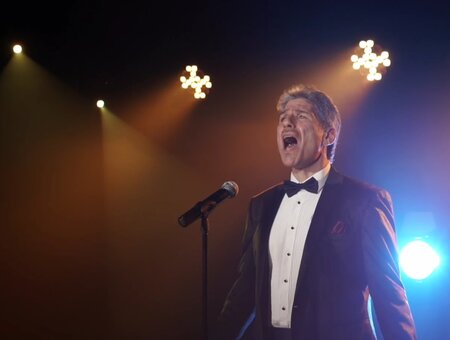
This versatility is exactly why tenor music artists continue to dominate the music industry.
Why Tenor Music Artists Matter in Music
If you strip music down to its emotional core, you’ll notice something—tenor music artists often carry the emotional high points of a song.
They’re the ones who:
- Deliver climactic moments
- Connect deeply with listeners
- Create memorable hooks
And that’s not by accident. The tenor vocal range naturally sits in a frequency that feels expressive and intense. It’s almost like it’s built to grab attention.
But beyond the sound, tenor music artists play a huge role in shaping music trends. Over the years, many of the greatest tenor singers ever have influenced entire genres. Their vocal styles become blueprints for future artists.
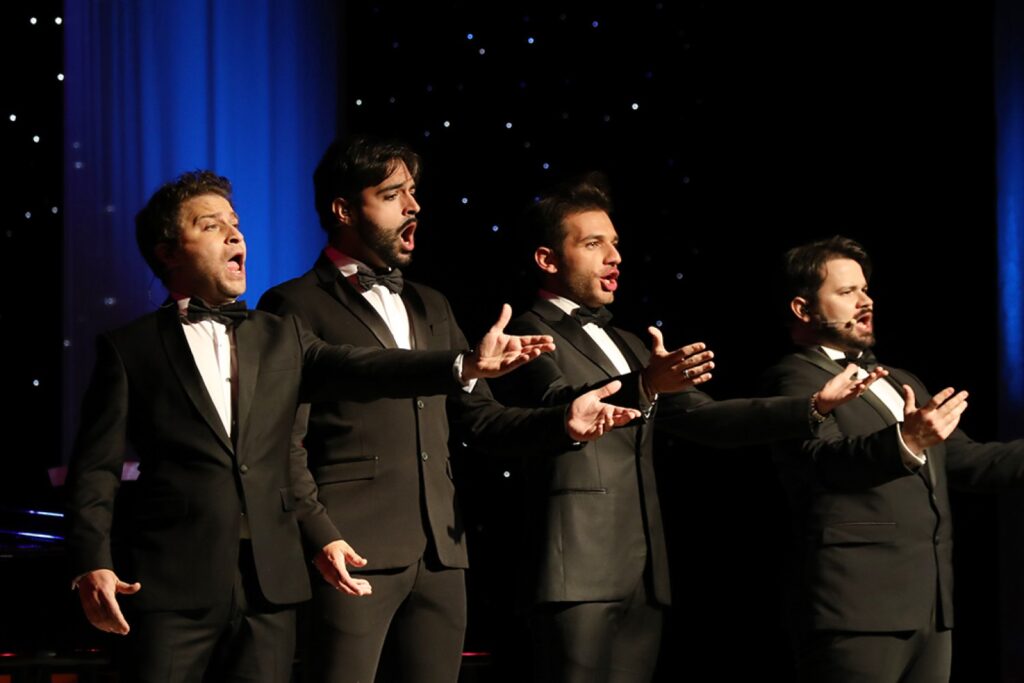
Even today, rising tenor music artists are redefining what a tenor voice can do. They’re experimenting, blending styles, and pushing boundaries.
And honestly… without tenor artists, music would lose a lot of its emotional depth.
Types of Tenor Music Artists
Not all tenor music artists are the same—and this is where things get interesting. There are multiple types of tenor voices, each with its own character and strengths.
Lyric Tenor
These are the smooth, warm voices. Lyric tenor music artists are known for their melodic and expressive singing. You’ll often hear them in romantic songs or emotional ballads.
Dramatic Tenor
Now this is where power comes in. Dramatic tenor artists have stronger, more intense voices. They’re perfect for big stages and dramatic performances.
Spinto Tenor
A mix of lyric and dramatic—spinto tenor artists can handle both soft and powerful singing. They’re incredibly versatile.

Countertenor
Although slightly different, countertenor artists often overlap in discussions. Their voices can reach even higher ranges, sometimes resembling female vocal tones.
Modern Tenor Music Artists
In today’s music world, modern tenor singers don’t always fit neatly into classical categories. They adapt their voices for pop, rock, and even electronic music.
And that’s the beauty of tenor music artists—the variety is endless.
How Tenor Voices Work
You might wonder… how do tenor music artists actually hit those notes?
It’s not just talent. It’s technique.
Tenor singers train their voices to:
- Control breath efficiently
- Use head voice and chest voice balance
- Maintain vocal strength at higher pitches
There’s a lot happening behind the scenes. A professional tenor artist spends years mastering their craft.
And here’s something people don’t always realize—singing as a tenor can be physically demanding. Those high notes require precision and control. Without proper training, it’s easy to strain the voice.
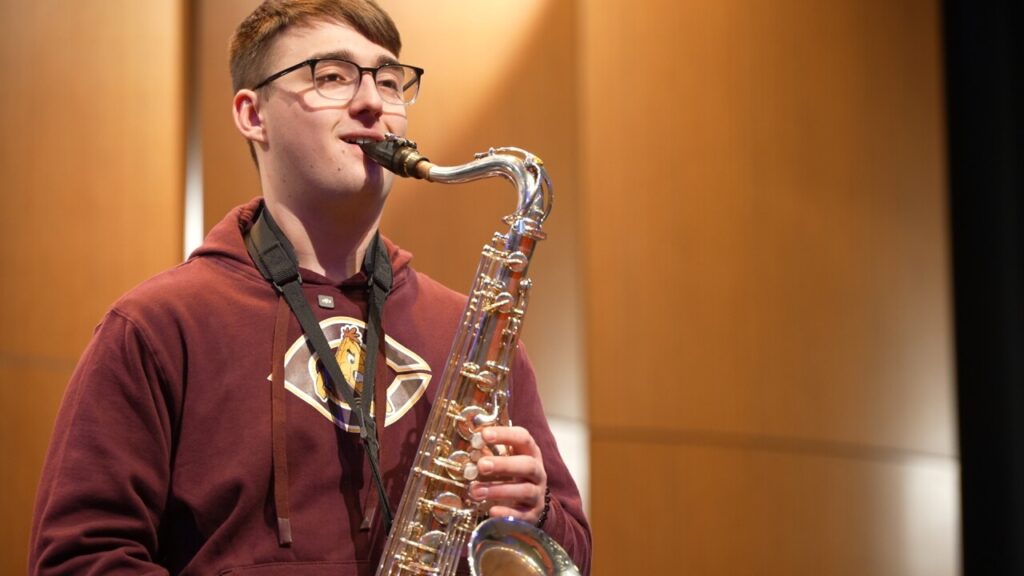
That’s why many tenor music artists invest heavily in vocal coaching and practice routines.
Cost of Training as a Tenor Artist
If you’re thinking about becoming one of the next big tenor music artists, you should know—it’s an investment.
Training costs can vary widely:
| Training Type | Estimated Cost |
|---|---|
| Vocal Lessons | $30–$200 per session |
| Music School | $5,000–$30,000 per year |
| Workshops | $100–$1,000 |
| Online Courses | $50–$500 |
And that’s just the beginning.
You’ll also need time, dedication, and patience. Becoming a professional tenor artist isn’t something that happens overnight.
But for many, it’s worth it.
Best Tenor Music Artists Examples
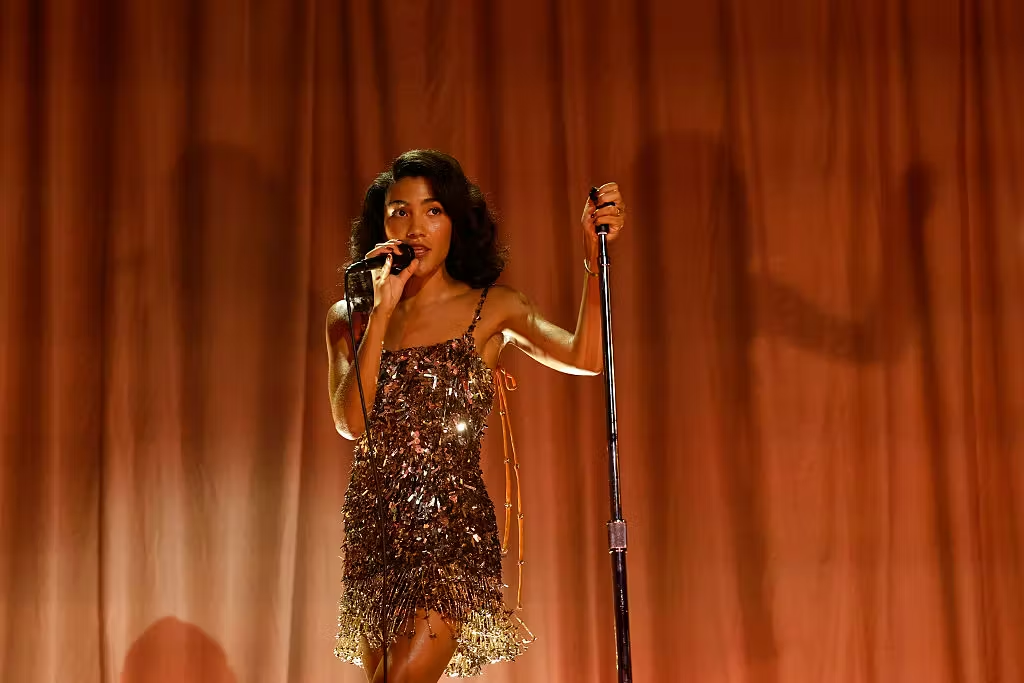
When we talk about tenor music artists, some names naturally stand out.
From legendary tenor singers in history to modern chart-toppers, these artists have defined what it means to be a tenor.
You’ll find:
- Classical icons known for opera performances
- Pop stars delivering unforgettable hits
- Rising tenor artists gaining global attention
And while rankings can vary, one thing is clear—tenor music artists continue to dominate across genres.
If you’re building a playlist, exploring tenor artists is a great place to start.
Tenor Music Artists vs Baritone
This is a common comparison—and honestly, it matters more than you’d think.
| Feature | Tenor | Baritone |
|---|---|---|
| Vocal Range | Higher | Lower |
| Tone | Bright, expressive | Warm, deep |
| Role in Music | Leads, emotional peaks | Support, depth |
Tenor music artists often take center stage, while baritone singers provide balance.
But that doesn’t mean one is better than the other. They simply serve different roles.
Still, when it comes to high-impact moments… tenor artists usually steal the show.
Expert Tips for Aspiring Tenor Music Artists
If you’re serious about becoming one of the next tenor music artists, here are some practical tips:
- Train consistently—daily practice matters
- Protect your voice—avoid strain
- Learn breathing techniques
- Study famous tenor singers
- Record yourself and analyze
And here’s something people overlook—confidence plays a huge role.
Even the best tenor voices need presence to truly connect with an audience
Common Mistakes to Avoid
A lot of aspiring tenor music artists make the same mistakes. And honestly, they can slow down progress.
- Forcing high notes instead of training properly
- Skipping vocal warm-ups
- Ignoring professional guidance
- Comparing too much with other artists
- Neglecting vocal health
Avoid these, and you’ll already be ahead of many beginners.
FAQs About Tenor Music Artists
What is a tenor music artist?
A tenor music artist is a singer who performs within the tenor vocal range, typically one of the highest male voice types.
Are tenor singers rare?
Yes, true tenor voices are relatively rare compared to baritone voices.
Can anyone become a tenor singer?
Not exactly—your natural vocal range plays a role, but training can help expand your abilities.
Who are the greatest tenor music artists?
There are many legendary tenor singers, especially in opera and modern music, each known for unique styles.
Do tenor singers only perform classical music?
No, modern tenor music artists perform across genres like pop, rock, and more.
Final Thoughts
Tenor music artists aren’t just singers—they’re emotional storytellers. Their voices have the power to move people, create unforgettable moments, and define entire musical eras.
Whether you’re a listener, a fan, or an aspiring artist, understanding tenor music artists gives you a deeper appreciation of music itself.
And if you’re thinking about stepping into this world… don’t wait. Start exploring, start training, and start finding your voice.
Because somewhere out there, the world is waiting to hear it.
