Yut Kee Restaurant is one of those places that doesn’t really try to impress you… and yet somehow it does, deeply.
Yut Kee Restaurant has this old-world charm that feels untouched by time, like a faded photograph you can almost smell.
Yut Kee Restaurant sits quietly in Kuala Lumpur, doing its thing, serving food that tastes like memory more than ingredients.
And honestly, the first time you hear about Yut Kee Restaurant, it usually comes with a tone of nostalgia from someone who’s been there before. They don’t just say “food was good.” They say “you have to go… it feels different.” That word—different—sticks.
There’s something slightly imperfect about it all. The kind of place where the floor creaks a little, where the staff don’t rush you, where the roast pork isn’t plated like art but still disappears in minutes. And maybe that’s the point.
Yut Kee Restaurant isn’t pretending to be anything new. It just is. And it has been, for decades.
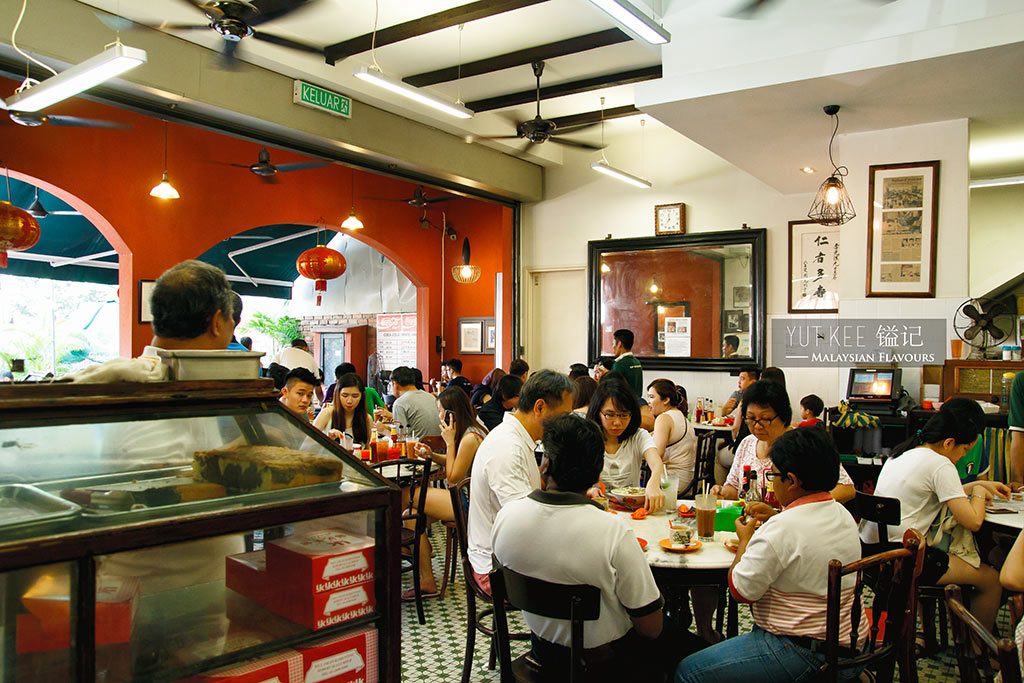
You walk in and there’s this mix of chaos and comfort. Old fans spinning slowly overhead. A faint smell of butter toast and roasted meats drifting through the air. You might wait a bit, or maybe a lot, depending on the day. But no one really complains. Strange, right?
Somehow, Yut Kee Restaurant turns waiting into part of the experience.
A Place That Feels Like It Forgot to Change (On Purpose?)
The story of Yut Kee Restaurant goes back a long way, rooted in Kuala Lumpur’s heritage dining scene. It’s one of those Hainanese-run eateries that have survived modernization, skyscrapers, and food trends that come and go faster than you can pronounce them.
You hear people say things like “my grandfather used to eat here,” or “this tastes exactly like what my dad remembers.” That kind of continuity is rare now.
And yet, Yut Kee Restaurant hasn’t really tried to reinvent itself for Instagram or modern café culture. No neon signs. No gimmicky plating. Just food, tradition, and a bit of stubbornness maybe… in the best way.
The wooden furniture tells its own story. The walls feel lived-in, not styled. Even the menu feels like it belongs to another time, though it still works perfectly fine today.
There’s something comforting about that resistance to change. Like it’s saying—why fix what already feels like home?
The Food That Doesn’t Try Too Hard
Let’s talk about why people actually come here—food, obviously.
At the heart of Yut Kee Restaurant, you’ll find classic Hainanese dishes that feel simple but carry depth. The kind of depth you don’t notice immediately, but it sneaks up on you mid-bite.
Their roast pork and chicken are probably the most talked about. Tender, slightly oily, rich in flavor. Not fancy, not delicate… just honest. And the roti babi? That’s the kind of dish people mention twice in conversations without realizing it.
When someone says Yut Kee Restaurant has “comfort food,” it’s not just a cliché. It actually fits. The flavors are familiar even if you’ve never had them before.
There’s also their kaya toast and butter bread—simple but strangely addictive. You don’t expect much, but then you find yourself ordering it again. And again.
And the coffee… strong, slightly bitter, old-school style. Not fancy latte art, just caffeine that wakes you up properly.
One thing about Yut Kee Restaurant is that nothing feels overthought. It’s food that trusts itself.
The Atmosphere: Slightly Chaotic, Very Human
If you’re expecting silence or curated calm, Yut Kee Restaurant will probably surprise you.
It’s lively. A bit noisy. Plates clinking, chairs moving, people calling out orders. There’s movement everywhere, but not in a stressful way… more like a rhythm that’s been going on for years.
You might sit next to strangers who look like they’ve been coming here every Sunday for the past 20 years. And maybe they have.
Yut Kee Restaurant doesn’t separate people much. Tourists, locals, families, solo diners—they all blend together in a way that feels unplanned but natural.
And yes, sometimes service feels slow. Or a bit rushed. But somehow it fits the personality of the place. You don’t come here for efficiency. You come for experience.
There’s a kind of emotional texture to it all, if that makes sense. A mix of nostalgia and present-day life happening at the same time.
Why People Keep Coming Back
There are newer restaurants with better lighting, better chairs, better everything really. But Yut Kee Restaurant still draws people in.
Why?
Maybe it’s memory. Maybe it’s taste. Or maybe it’s just the feeling of stepping into a place that hasn’t tried to erase its past.
A lot of regulars say Yut Kee Restaurant reminds them of older Kuala Lumpur—slower, simpler, more grounded. Whether that’s fully accurate or romanticized doesn’t matter much. The feeling is real.
And sometimes, that’s enough.
You’ll notice people don’t rush their meals here. They linger. They talk. They order extra toast even when they say they’re full. It’s like the place encourages you to stay a little longer than planned.
The Move and the Memory of Old Walls
At one point in its history, Yut Kee Restaurant had to relocate from its original site. For many long-time customers, that change felt emotional.
Because let’s be honest—buildings carry memory in ways we don’t always notice. When a place moves, something shifts, even if the food stays the same.
Still, Yut Kee Restaurant managed to preserve its identity. The flavors remained consistent. The atmosphere, while slightly different, still carried that same old-school energy.
People adapted. Because in the end, it wasn’t just about the walls. It was about what happened inside them.
Small Moments That Stay With You
Sometimes what you remember most about Yut Kee Restaurant isn’t even the food.
It’s the way the staff shout orders across the room. Or how someone next to you laughs too loudly at a joke. Or the way sunlight hits the table just right in the morning.
There’s something quietly cinematic about it all.
You might go in expecting a meal, but you leave with fragments of moments. Not dramatic ones. Just small, human ones.
And later, you find yourself thinking about it again for no clear reason.
That happens a lot with Yut Kee Restaurant.
A Place That Doesn’t Need to Prove Anything
In a world full of rebranding and reinvention, Yut Kee Restaurant feels almost stubborn. In a good way.
It doesn’t chase trends. It doesn’t need fusion gimmicks or viral marketing tricks. It simply continues doing what it has always done.
And that confidence—quiet, unspoken—is part of its charm.
Even if you visit only once, Yut Kee Restaurant leaves a mark. Not always a loud one. Sometimes it’s subtle. Like a taste you can’t quite recreate later at home.
The Emotional Layer You Don’t Expect
It might sound strange to get emotional about a restaurant, but Yut Kee Restaurant has that effect on people.
Maybe it’s the longevity. Maybe it’s the consistency. Or maybe it’s just the fact that places like this are becoming rarer.
There’s a kind of emotional grounding in sitting somewhere that has fed generations before you. You feel part of a longer story without trying to be.
And yes, that sounds a bit poetic—but it really does feel like that sometimes.
A Personal Kind of Experience
Everyone experiences Yut Kee Restaurant differently.
Some people go for breakfast and leave quickly. Others stay for long lunches that turn into afternoon conversations. Some go alone, some in groups, some just because they “felt like it.”
But almost everyone leaves with something slightly memorable. Not always big. Sometimes just a feeling.
It’s not polished. It’s not curated. And maybe that’s why it stays real.
Final Thoughts: Why It Still Matters
There are many modern cafés and restaurants in Kuala Lumpur now, but Yut Kee Restaurant still holds its place without trying to compete.
It’s not about being the best in a ranking sense. It’s about being consistent in a world that changes too fast.
If you’ve never been, Yut Kee Restaurant is worth visiting at least once. Not for perfection—but for character.
And if you’ve already been, you probably already understand why people keep talking about it.
Because Yut Kee Restaurant isn’t just a place to eat.
It’s a place that remembers… even when you don’t realize you are too.
