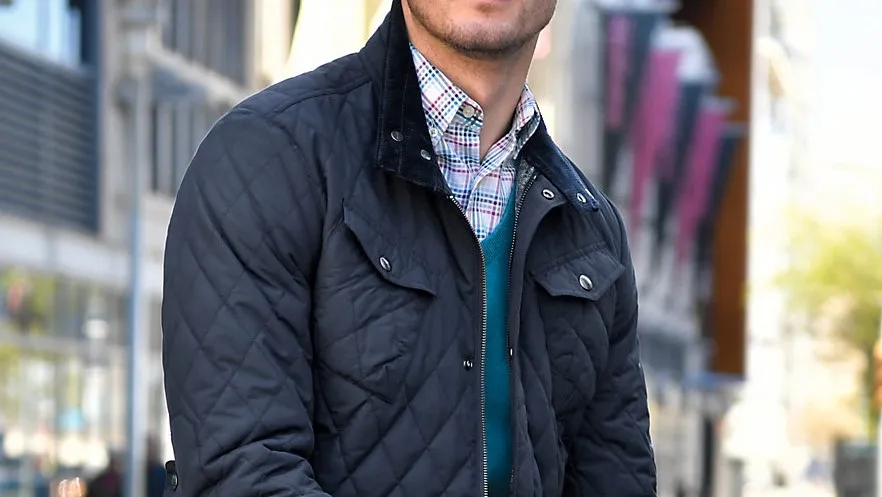
A quilted jacket is one of the most versatile outerwear pieces in modern fashion, combining practicality, comfort, and style in a single design. It is widely appreciated because it provides warmth without feeling overly heavy or bulky, making it suitable for everyday wear across different climates. Unlike thick winter coats that can feel restrictive, quilted jackets are designed with stitched patterns that hold insulation in place, creating a lightweight yet effective barrier against cold weather. Over time, this jacket style has evolved from purely functional outdoor wear into a fashion essential seen in casual outfits, smart layering looks, and even semi-formal styling. Today, it is considered a wardrobe staple for both men and women due to its adaptability and timeless aesthetic.
What a Quilted Jacket Actually Is
A quilted jacket is defined by its stitched pattern, where fabric layers are sewn together in geometric shapes such as diamonds, squares, or channels. These stitched sections trap insulation between layers of fabric, which helps retain body heat efficiently. The outer layer is usually made from materials like nylon, polyester, or cotton blends, while the inner layer contains synthetic filling or natural insulation such as down. The quilting process ensures that the insulation does not shift or clump, which maintains even warmth throughout the jacket. This structural design is what sets quilted jackets apart from regular padded or unstructured coats.
Different Types of Quilted Jackets
Quilted jackets come in several variations depending on their purpose and design style. Lightweight quilted jackets are ideal for mild weather and transitional seasons, offering minimal insulation and maximum breathability. Insulated quilted jackets are designed for colder conditions and feature thicker padding to retain more heat. Bomber-style quilted jackets have a shorter length and elastic cuffs, making them more streetwear-oriented. Longline quilted coats extend below the hips or knees, providing additional warmth and a more elegant silhouette. Sleeveless quilted vests are also popular for layering, especially in outdoor and sporty outfits. Each type serves a different functional and aesthetic purpose, allowing users to choose based on climate and personal style preference.
Materials and Fabric Construction
Quilting Patterns and Their Function
The stitched design of a quilted jacket is not just decorative; it plays an important functional role. Diamond quilting is one of the most common patterns and distributes insulation evenly while giving a classic appearance. Box quilting provides a more structured look and prevents cold spots by creating uniform insulation pockets. Channel quilting features parallel lines and is often used in modern minimalist designs for a sleek aesthetic. Chevron patterns add a dynamic visual effect and are often used in fashion-forward designs. The choice of quilting pattern can influence not only warmth distribution but also how the jacket visually shapes the body, making it an important design element.
Warmth, Insulation, and Performance
The warmth of a quilted jacket depends on the thickness and quality of its insulation rather than just the outer fabric. Air is trapped within the quilted sections, and this trapped air acts as a barrier against cold temperatures. Down-filled jackets provide higher thermal efficiency, meaning they retain more heat with less weight. Synthetic insulation, while slightly heavier, performs better in wet conditions because it retains warmth even when damp. Quilted jackets are generally best suited for mild to moderately cold climates, making them ideal for autumn, winter layering, and early spring wear. They are not typically designed for extreme freezing conditions unless heavily insulated.
How to Style a Quilted Jacket
Seasonal Use and Practical Applications
Quilted jackets are most commonly used during transitional seasons when temperatures fluctuate. In autumn, they provide enough warmth without overheating the body. During winter, they work well as mid-layers under heavier coats or as standalone outerwear in milder climates. In spring, lightweight versions are ideal for early morning or evening chills. They are also popular for travel due to their packable nature and versatility. Outdoor activities such as walking, hiking, or commuting benefit greatly from quilted jackets because they balance insulation and mobility effectively.
Choosing the Right Quilted Jacket
Care and Maintenance Guidelines
Proper care extends the lifespan of a quilted jacket significantly. Most jackets should be washed gently using cold water and mild detergent to preserve insulation quality. Machine drying on low heat or air drying is recommended depending on the insulation type. It is important to avoid high heat, as it can damage synthetic fibers or reduce the effectiveness of down filling. Storing the jacket in a cool, dry place and avoiding compression for long periods helps maintain its shape and insulation performance. Regular maintenance ensures that the jacket remains functional and visually appealing for multiple seasons.
Common Mistakes to Avoid
One common mistake is choosing a jacket based solely on appearance without considering insulation needs. Another is selecting the wrong size, which can restrict movement or reduce layering ability. Over-washing can also damage the insulation structure, leading to reduced warmth. Many people also overlook the importance of fabric quality, which affects durability and weather resistance. Lastly, wearing overly thick quilted jackets in mild weather can lead to discomfort due to overheating, so matching the jacket type with the season is essential.
Conclusion
A quilted jacket is a highly functional and stylish outerwear piece that balances warmth, comfort, and versatility. Its unique stitched construction allows it to trap heat efficiently while remaining lightweight and easy to wear. With multiple styles, materials, and designs available, it suits a wide range of fashion preferences and practical needs. Whether used for daily commuting, outdoor activities, or layered fashion looks, the quilted jacket remains a timeless wardrobe essential that continues to evolve with modern trends while maintaining its core functionality.
